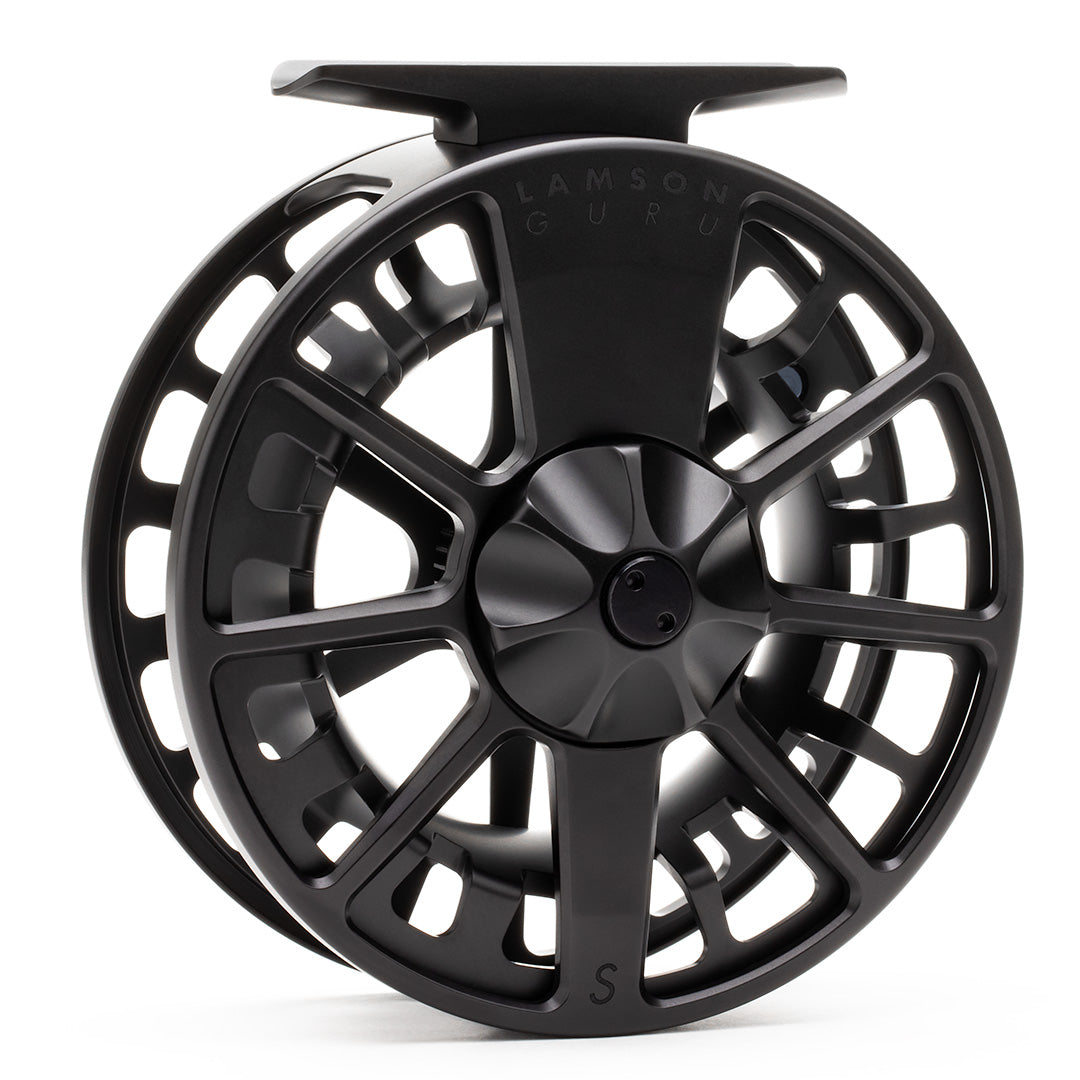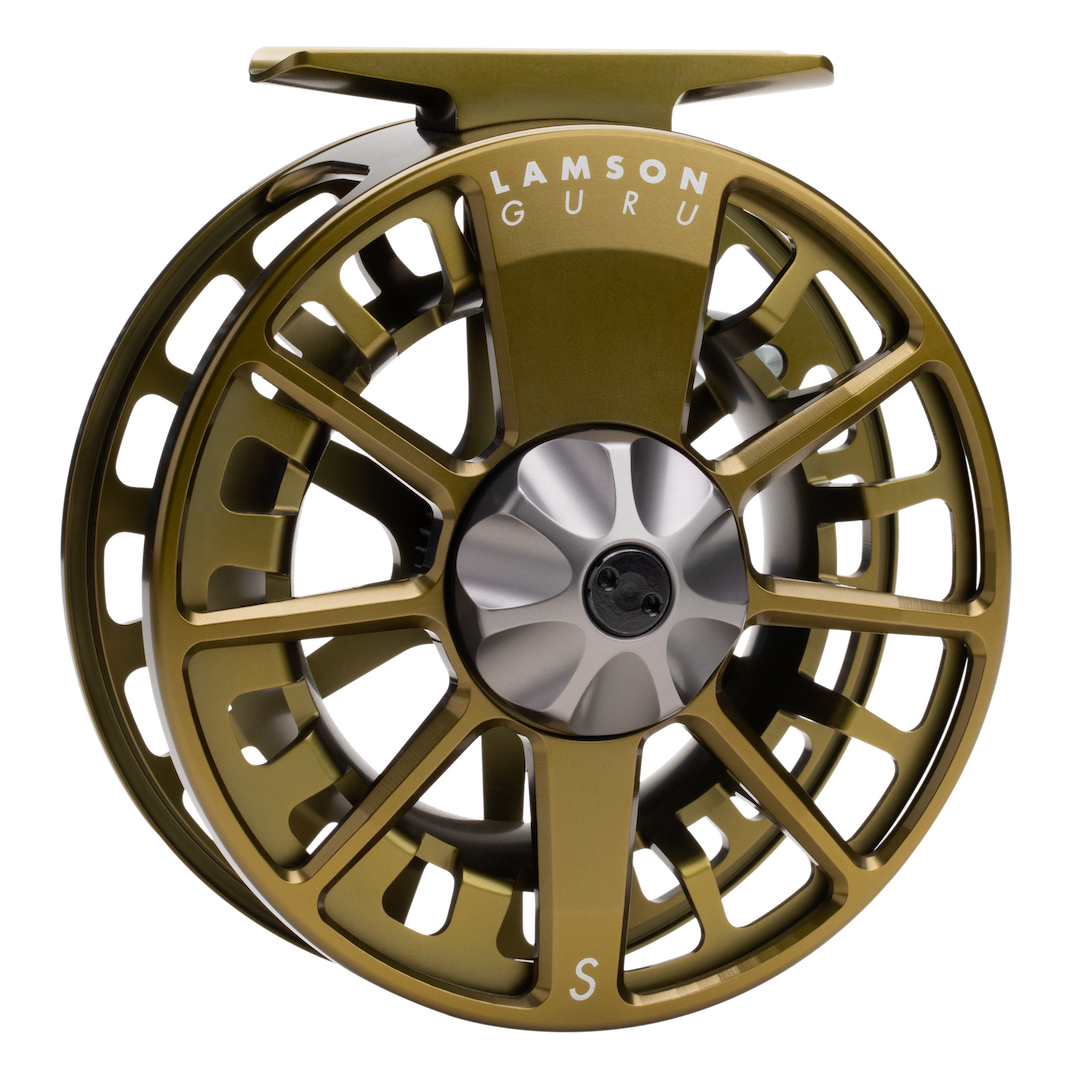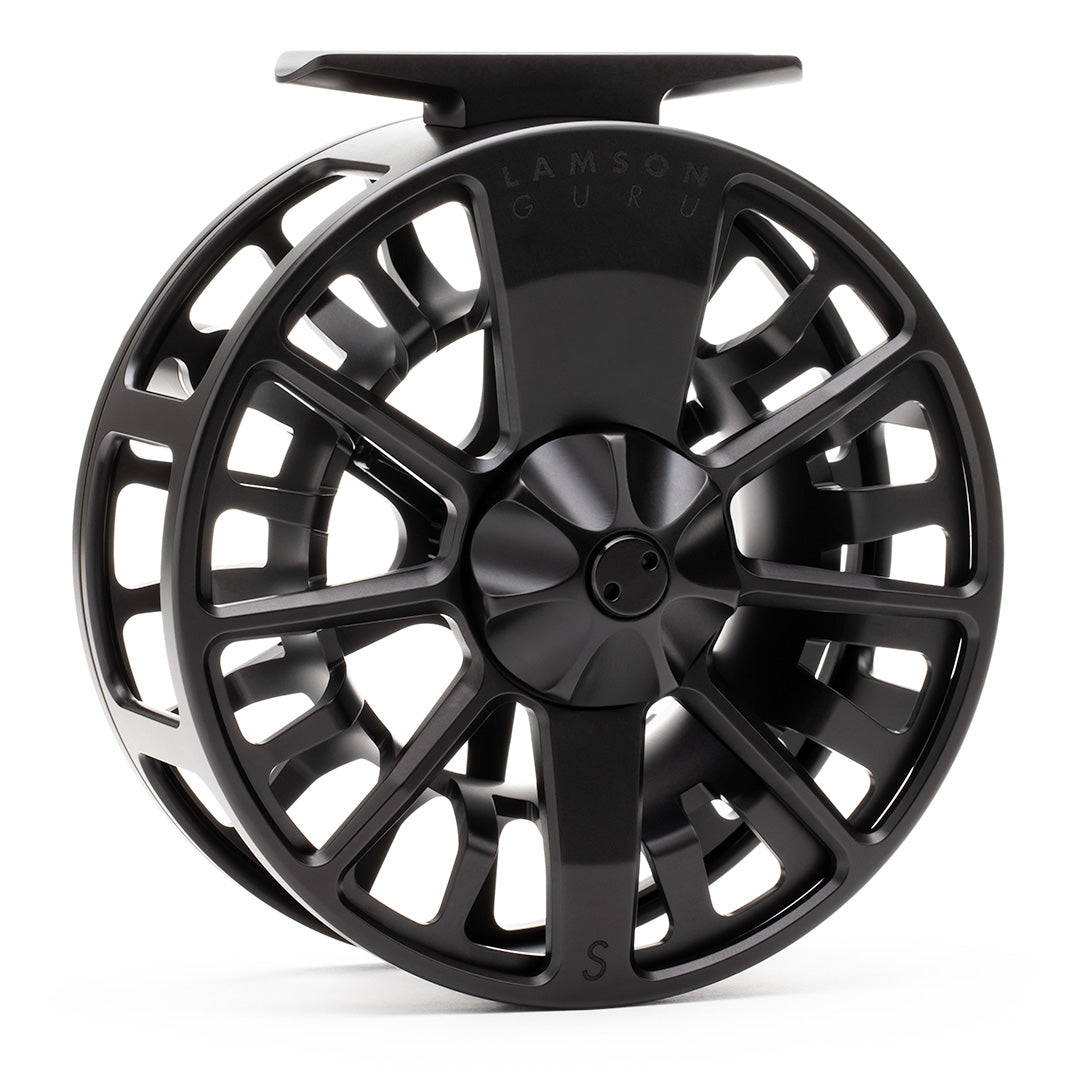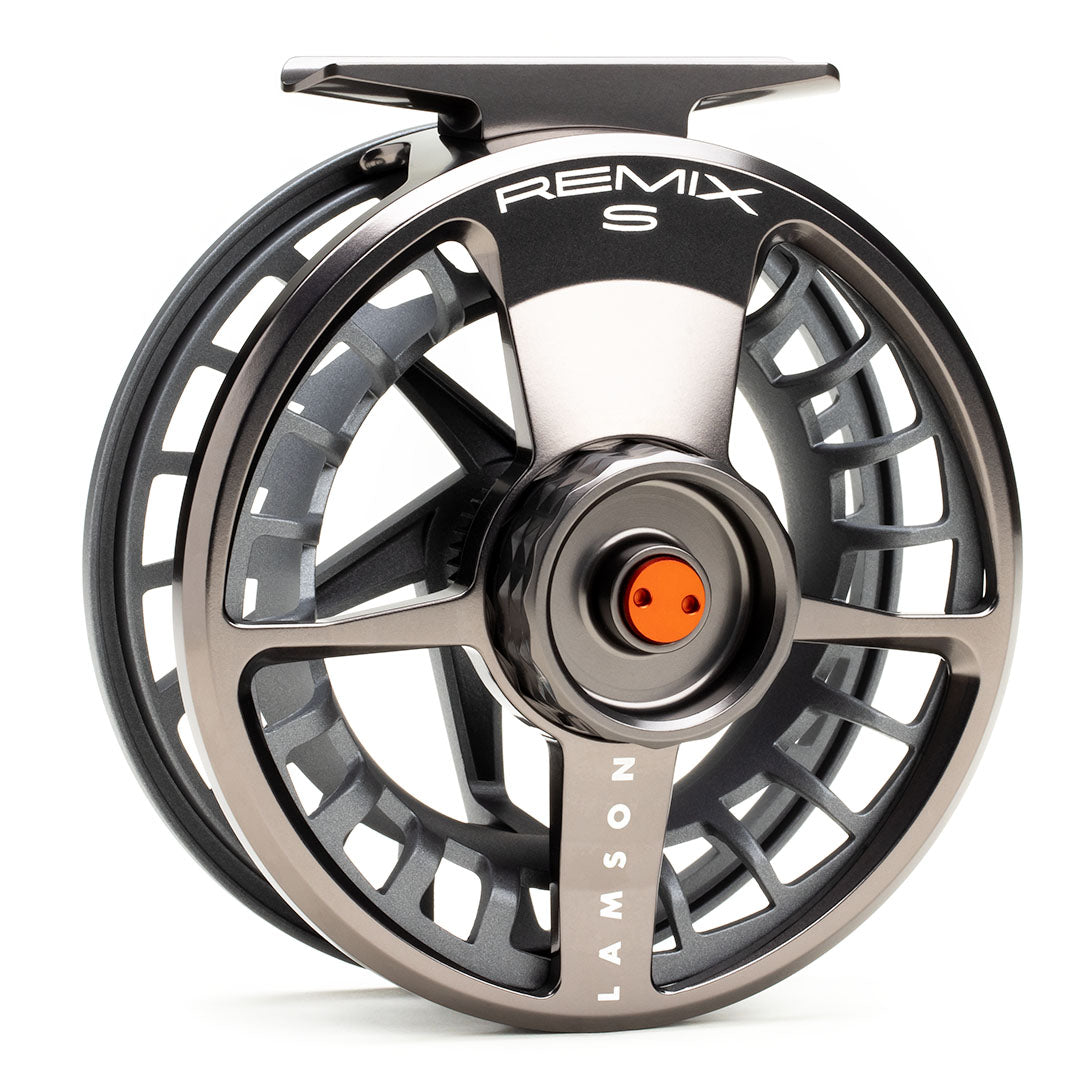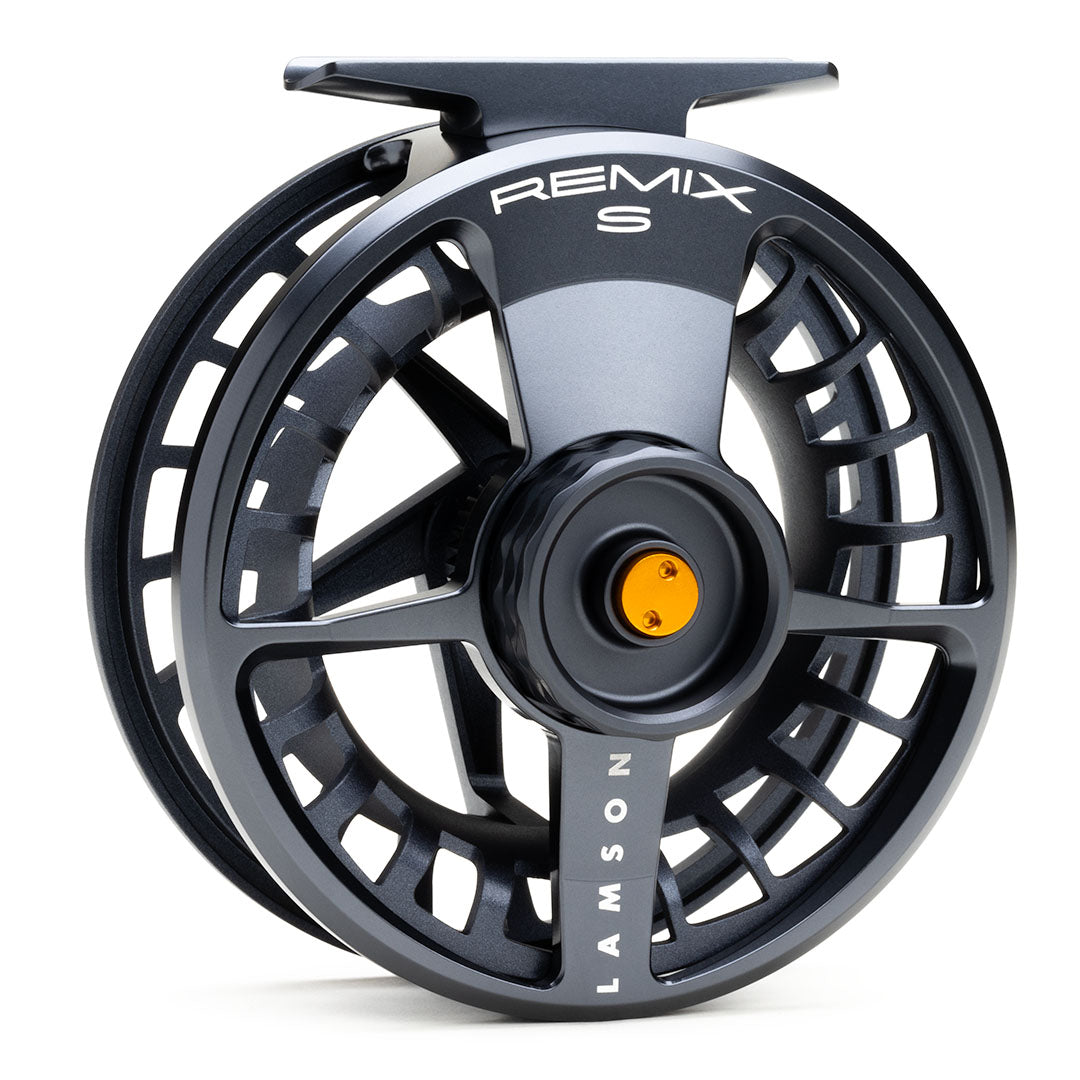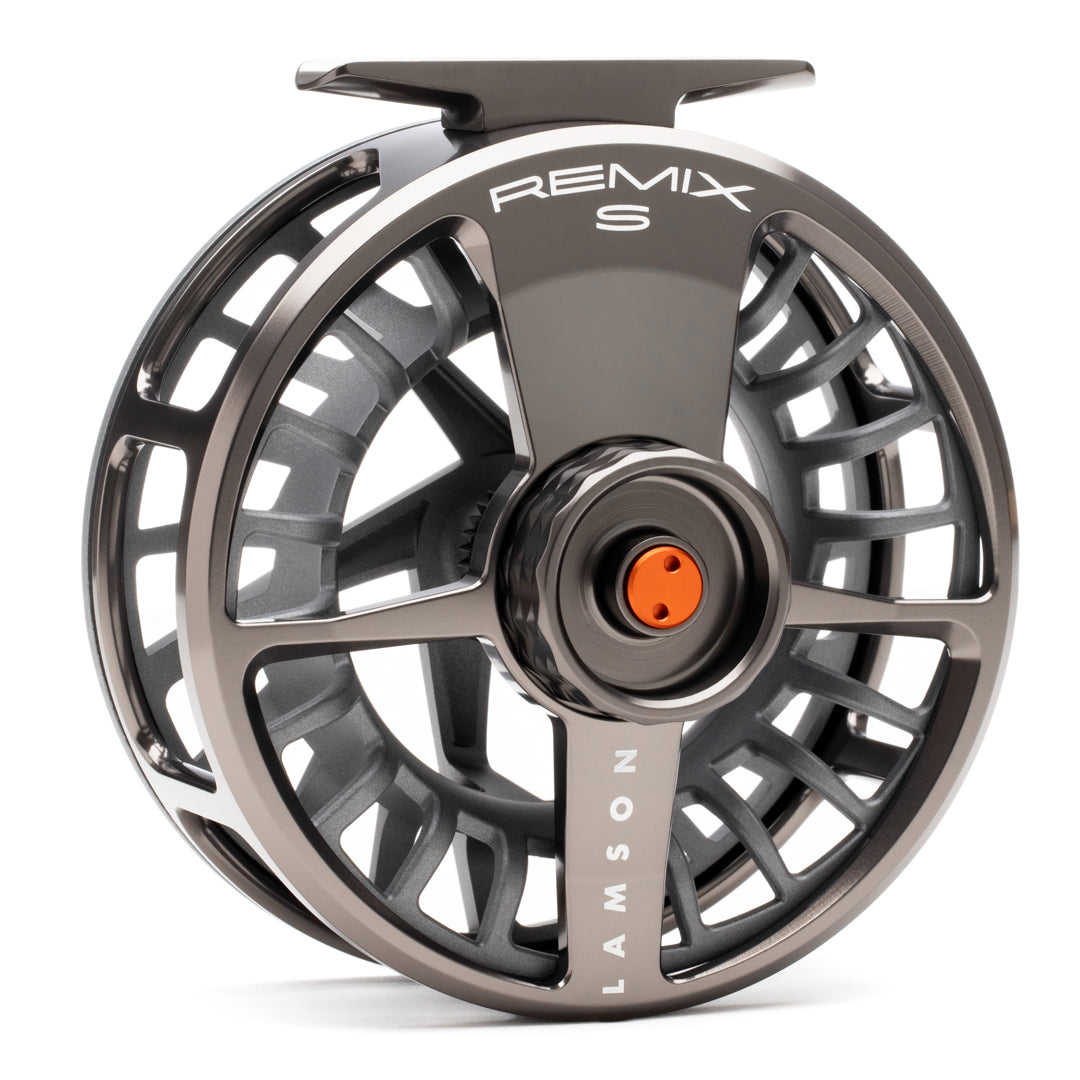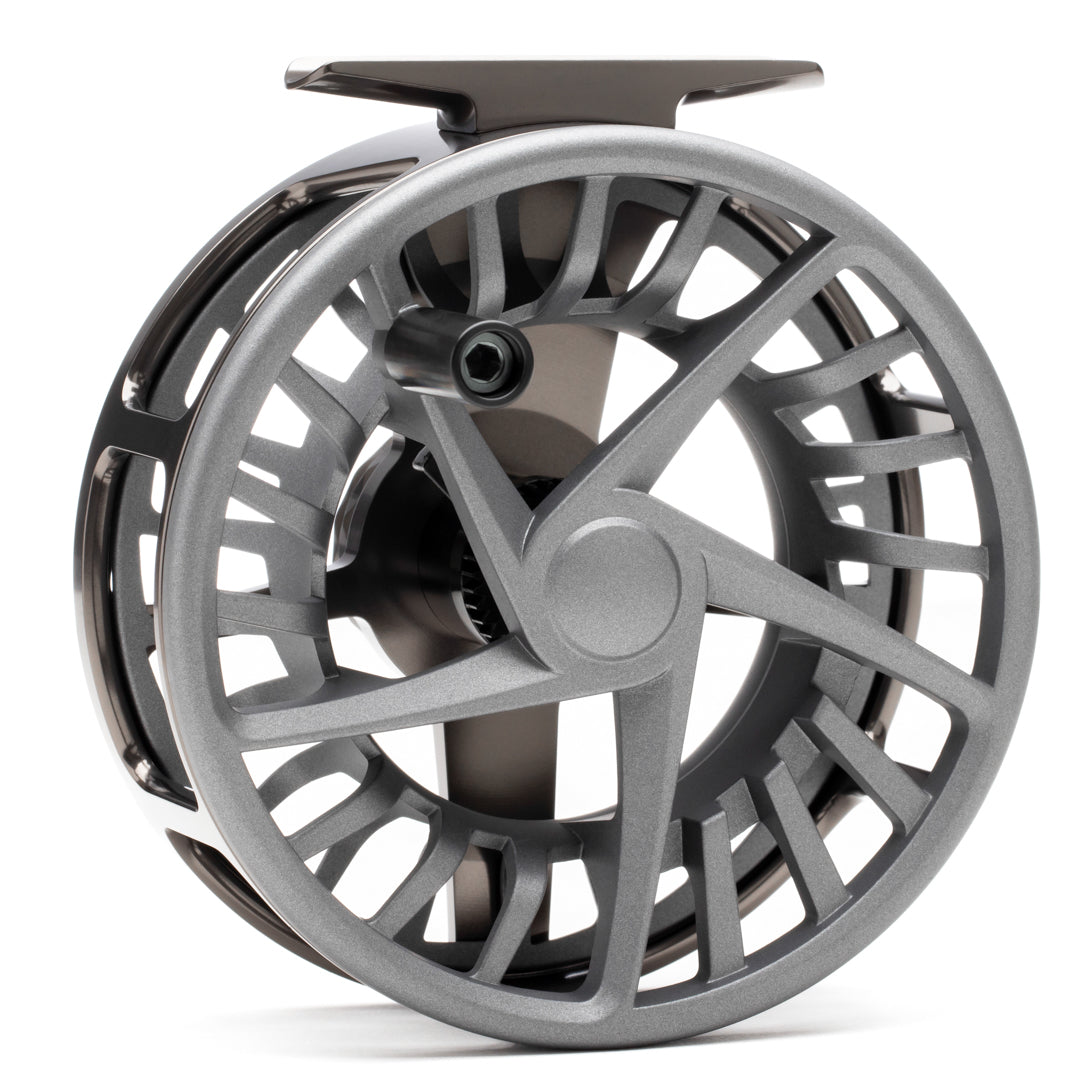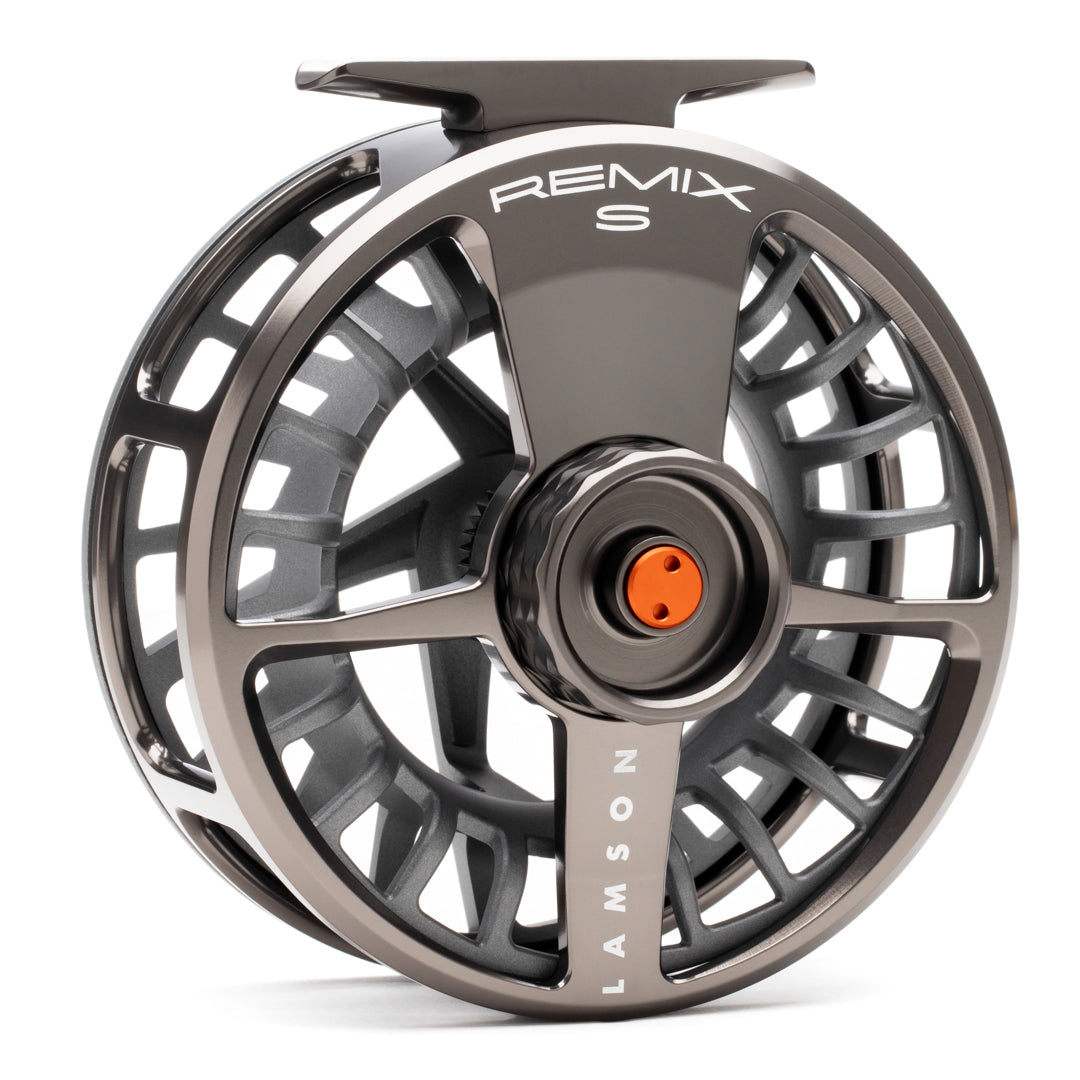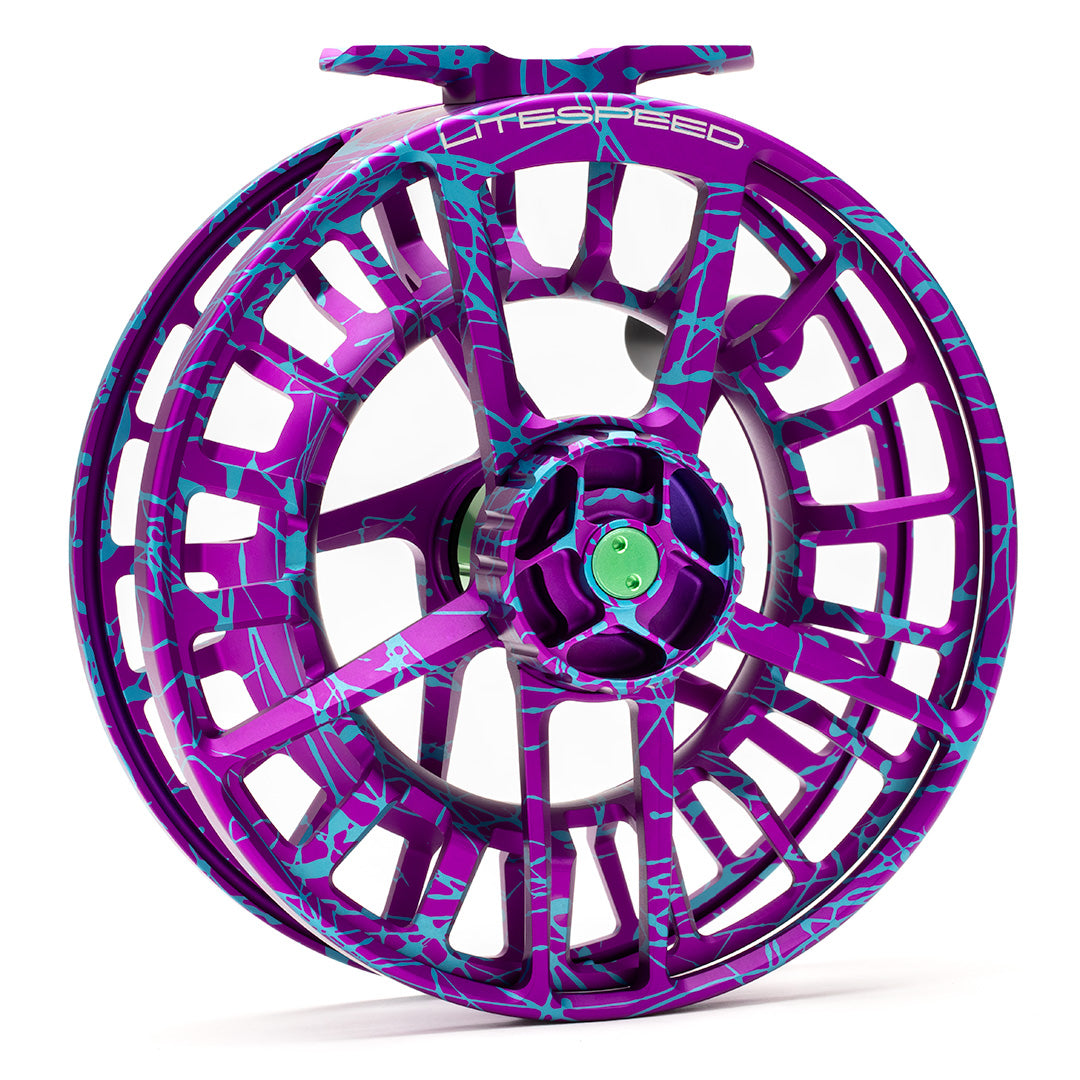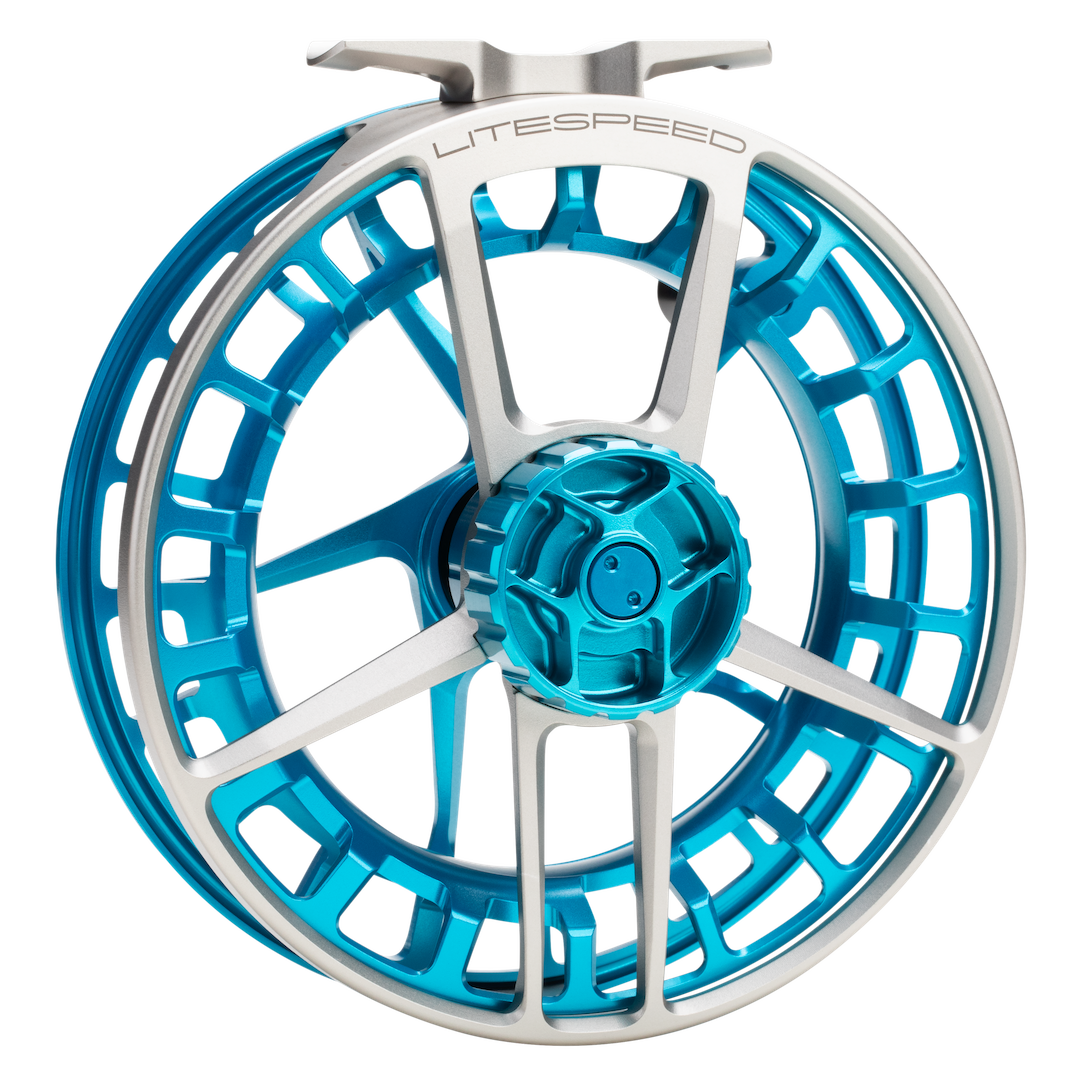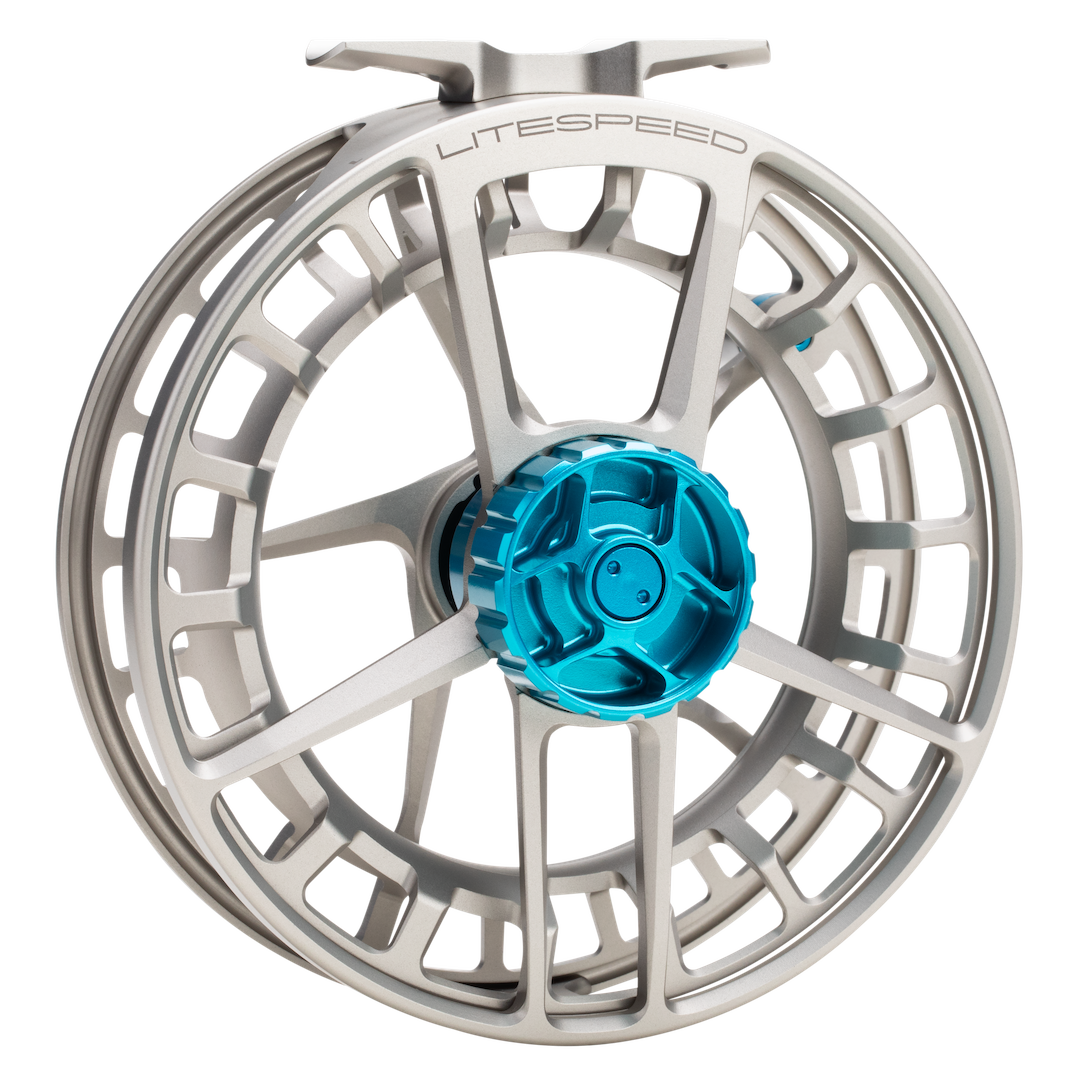
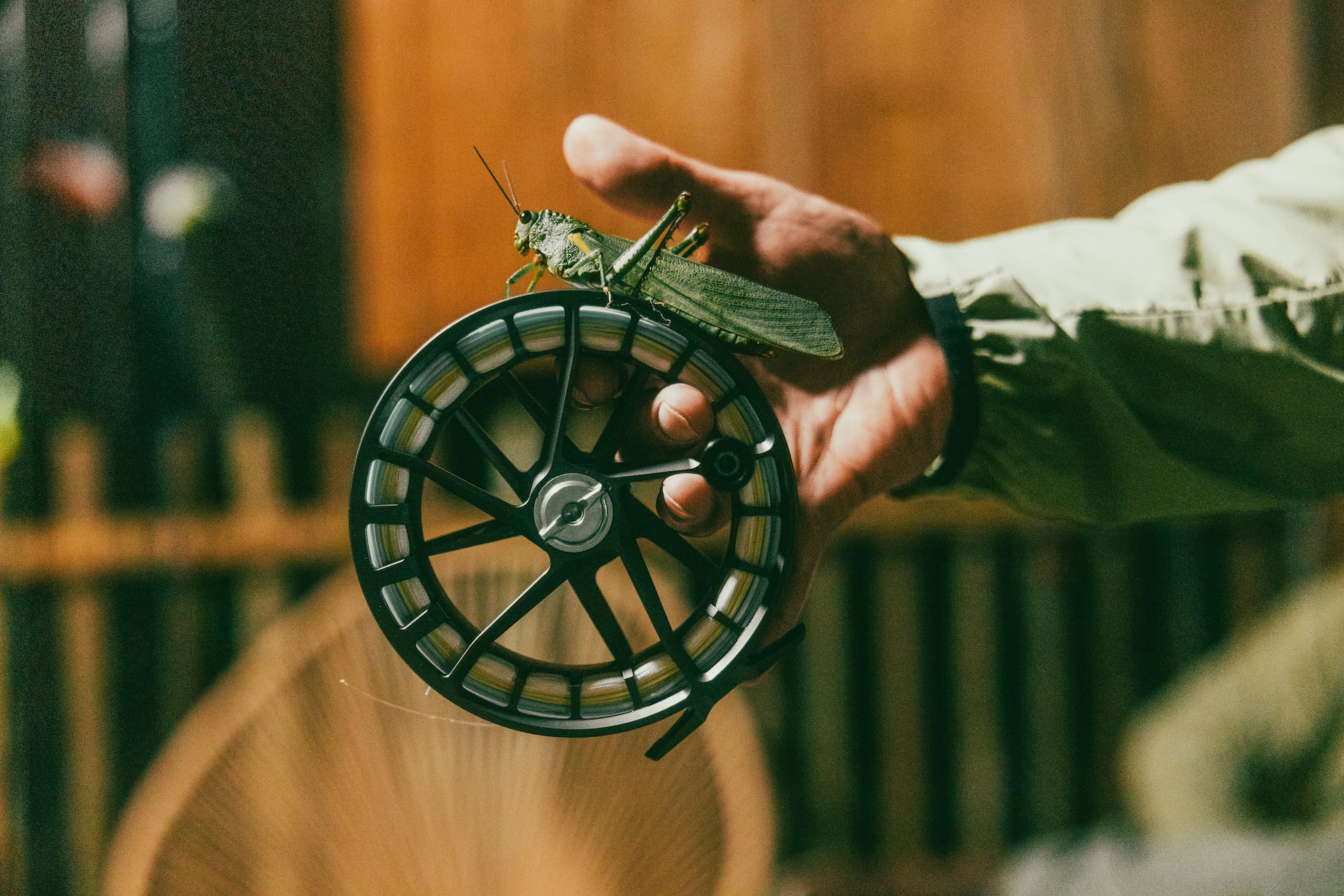
Selecting a fly reel can feel overwhelming—drag types, arbor sizes, weights, line capacities… and that’s before considering where you fish and what you’re chasing. This guide breaks down the essentials in a clean, practical way to help you choose the right reel for your setup and fishing style.
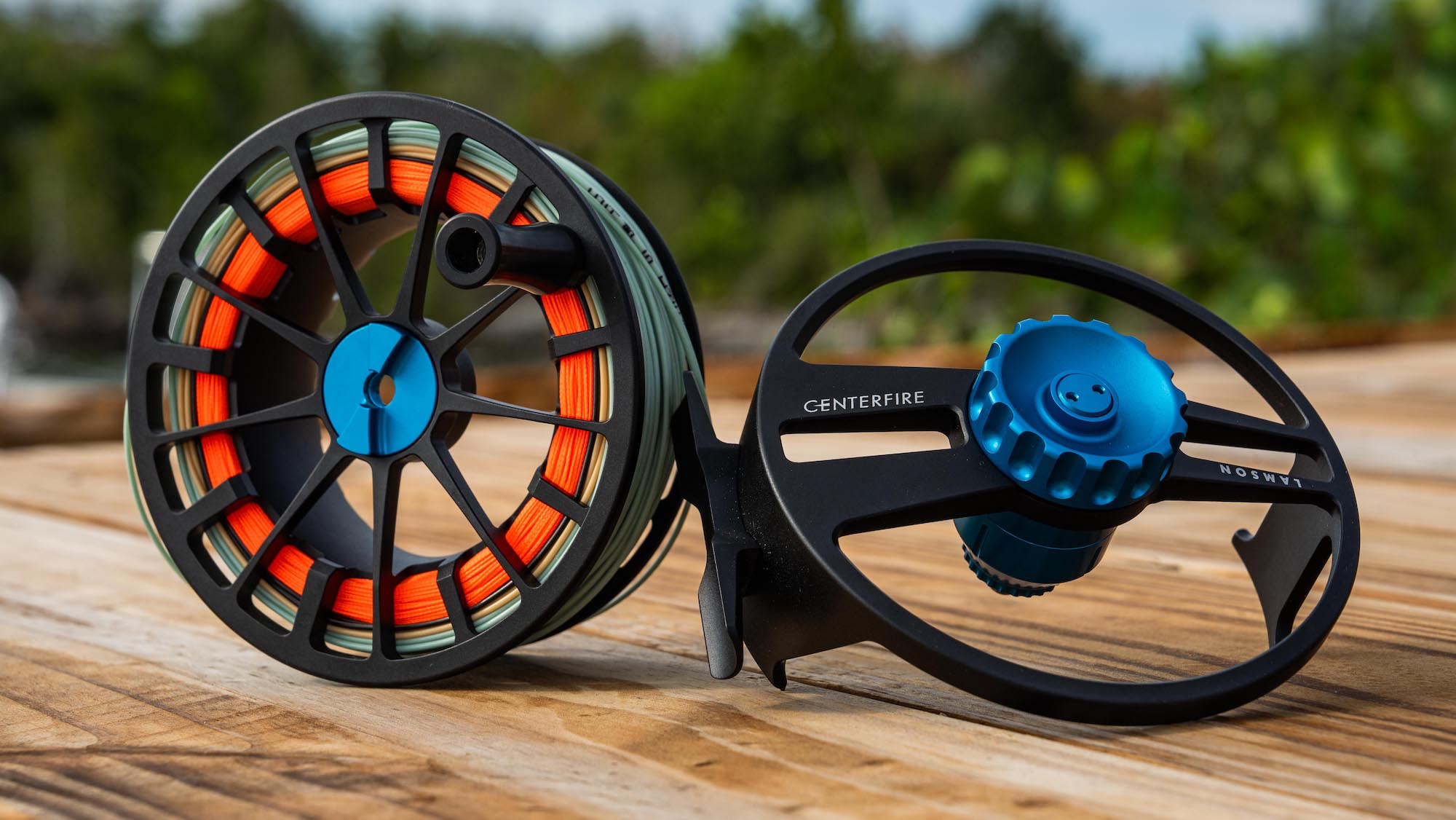
At Lamson, we build reels around our proprietary conical drag system, which differs from traditional cork or disc drags. Instead of stacked discs, we use a cone and matching cassette. This lets us achieve high surface area (stopping power) in a compact, sealed format that’s easier to protect and maintain.
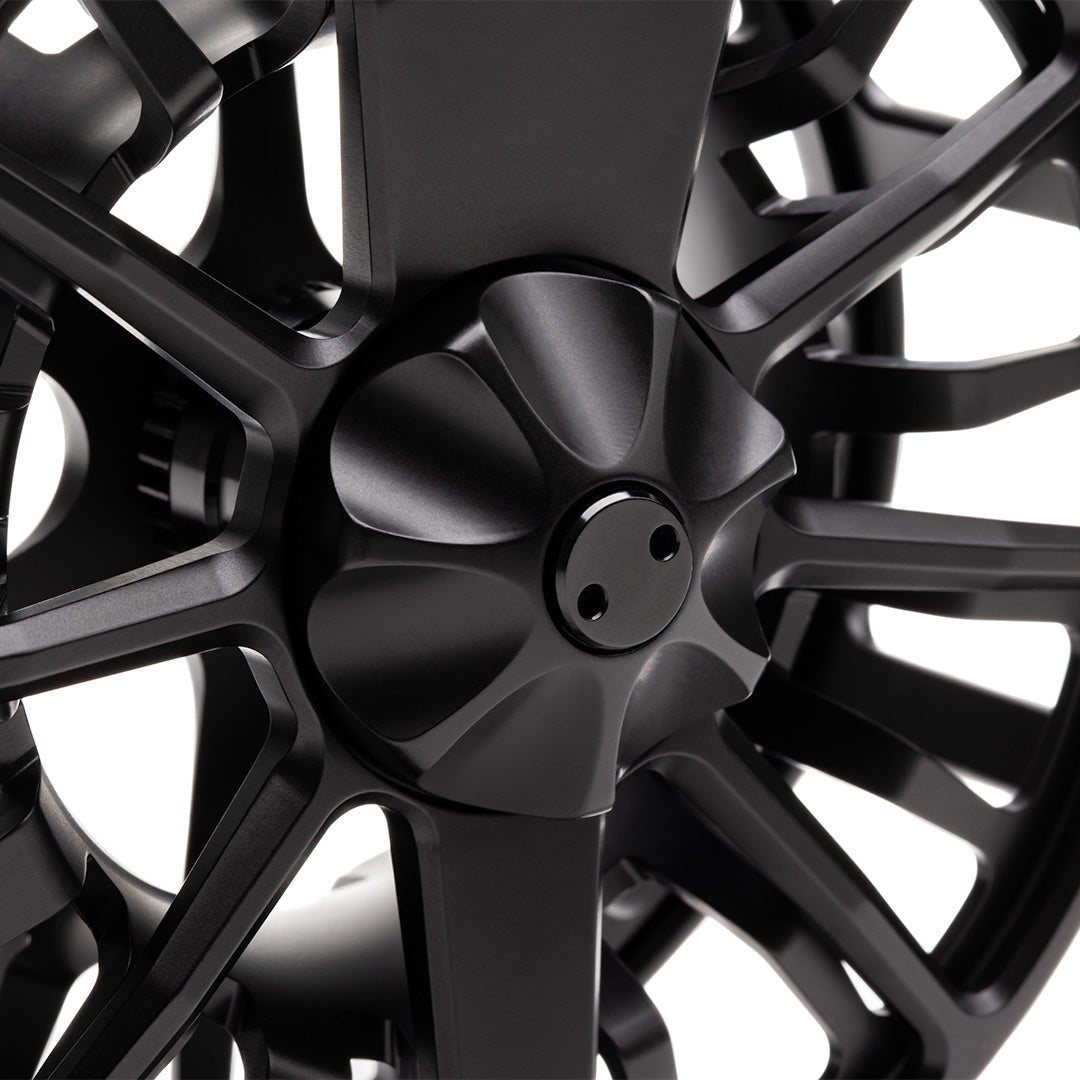
Sealed Conical Drag
Our standard drag system, found in most Lamson reels, is fully sealed to keep out water and debris. It delivers a broad drag range, zero start‑up inertia, and exceptionally smooth performance.
Cobalt Drag (IPX8 Waterproof)
Still based on a conical design, but engineered for the harshest environments:
- IPX8 waterproof—fully protected even when fully submerged.
- Fixed spindle design prevents accidental drag exposure.
- Larger cones, washers, and clutch components for maximum stopping power.
- Built for saltwater, big fish, and abusive conditions.
Click‑Pawl Drag
A minimalist, classic system using a two‑way clicker for light resistance:
- Ultra‑simple design with very few moving parts.
- Minimal retrieve resistance, more outgoing pressure.
- Additional stopping power comes from palming the spool.
- Not for every application, but incredibly fun and pure to fish.
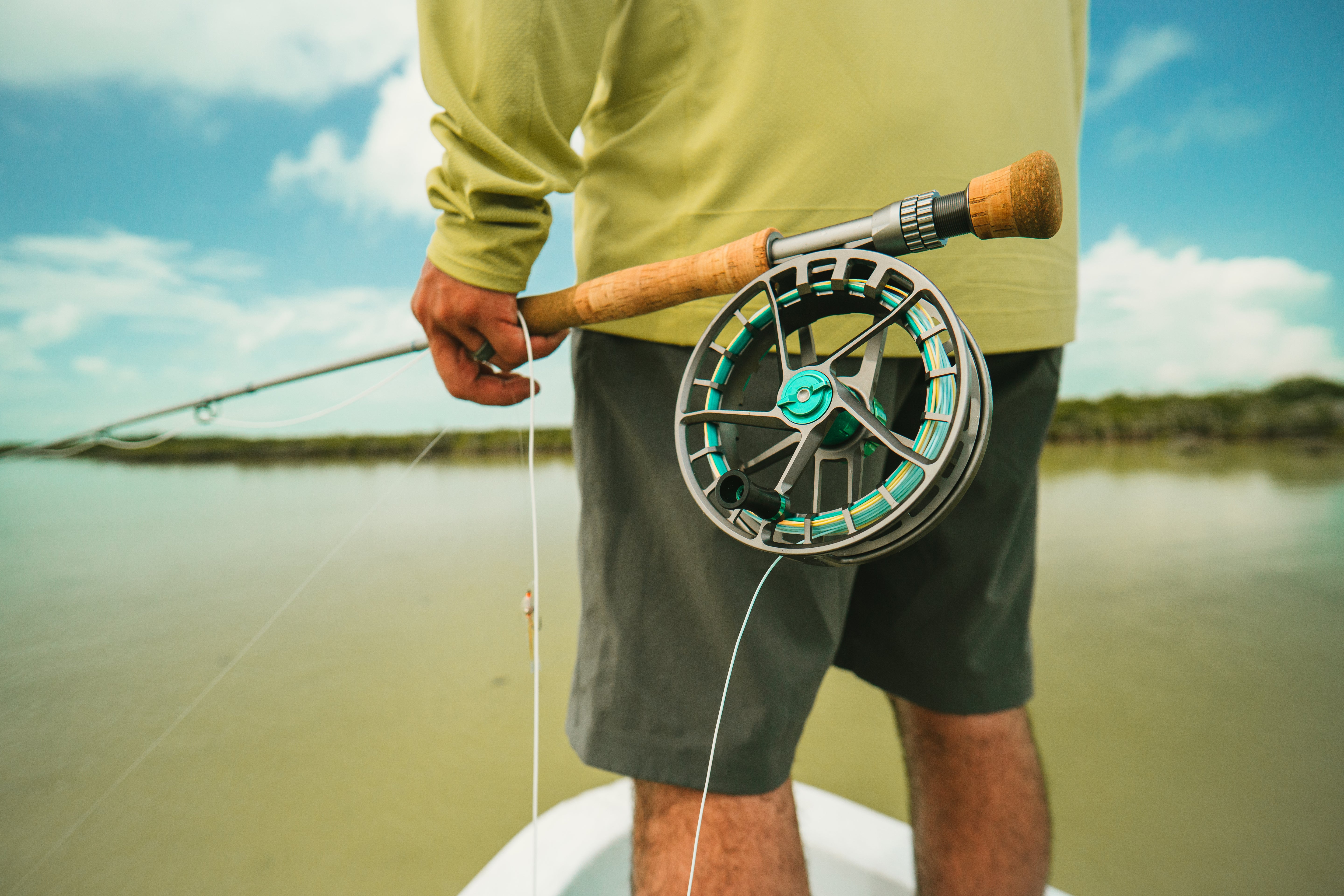
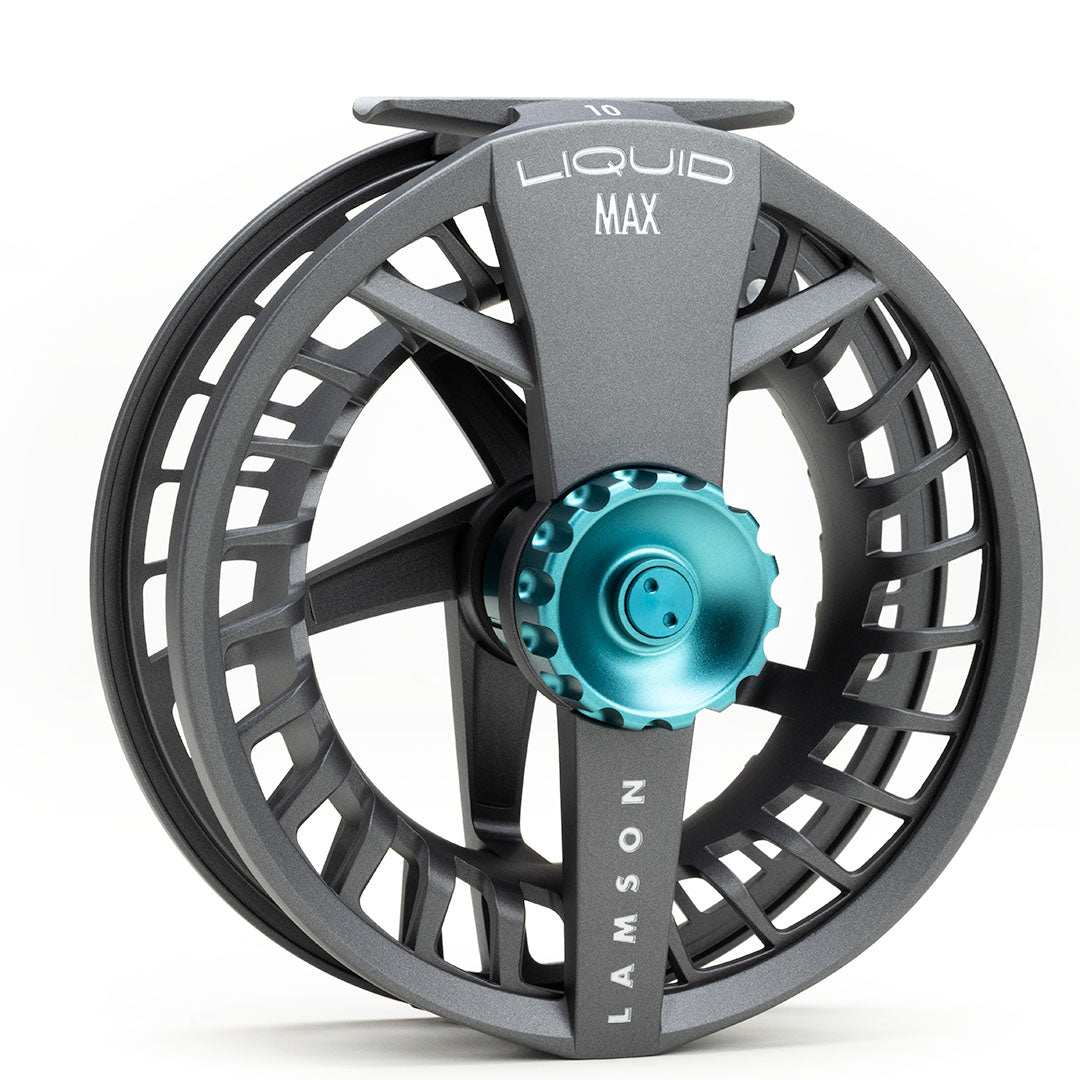
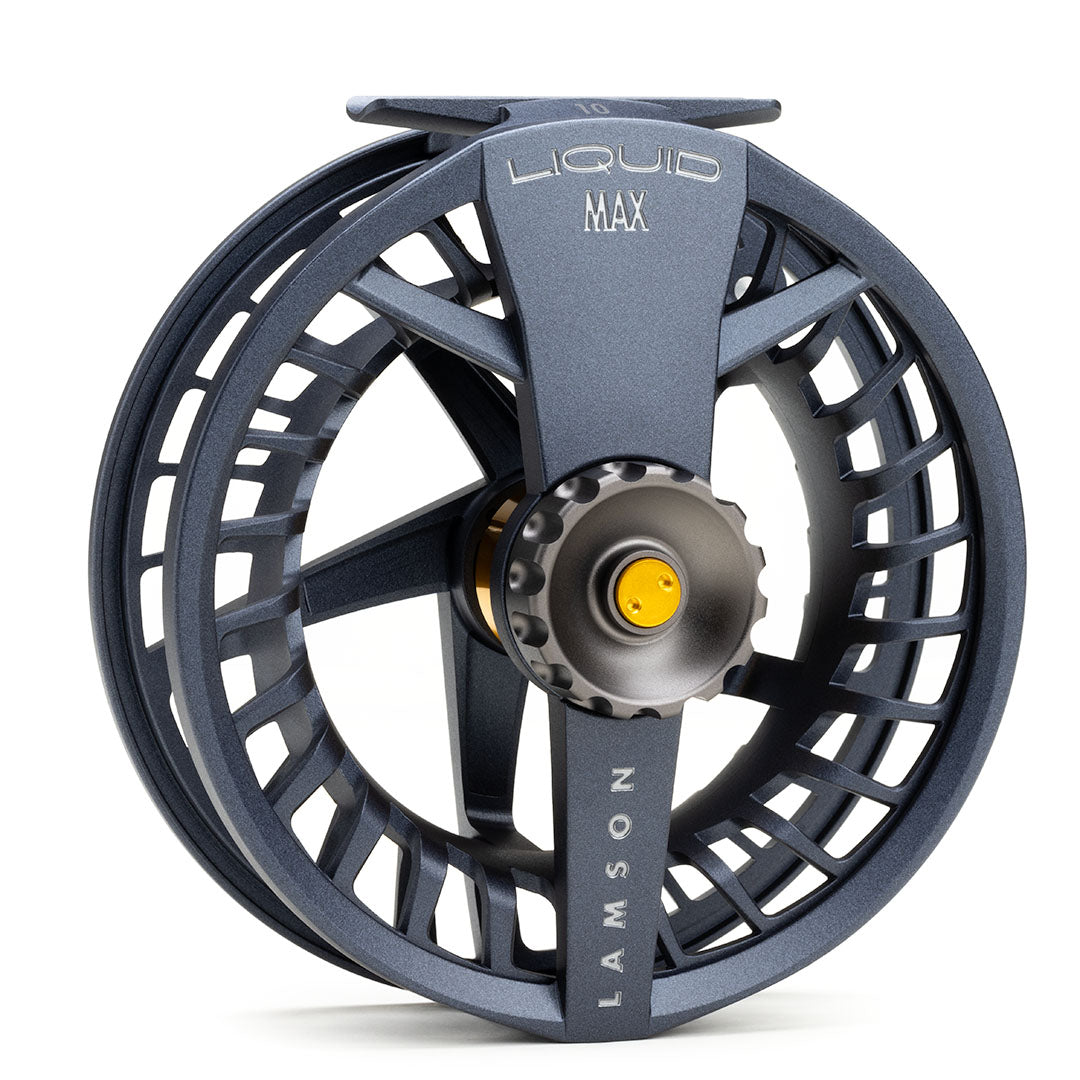
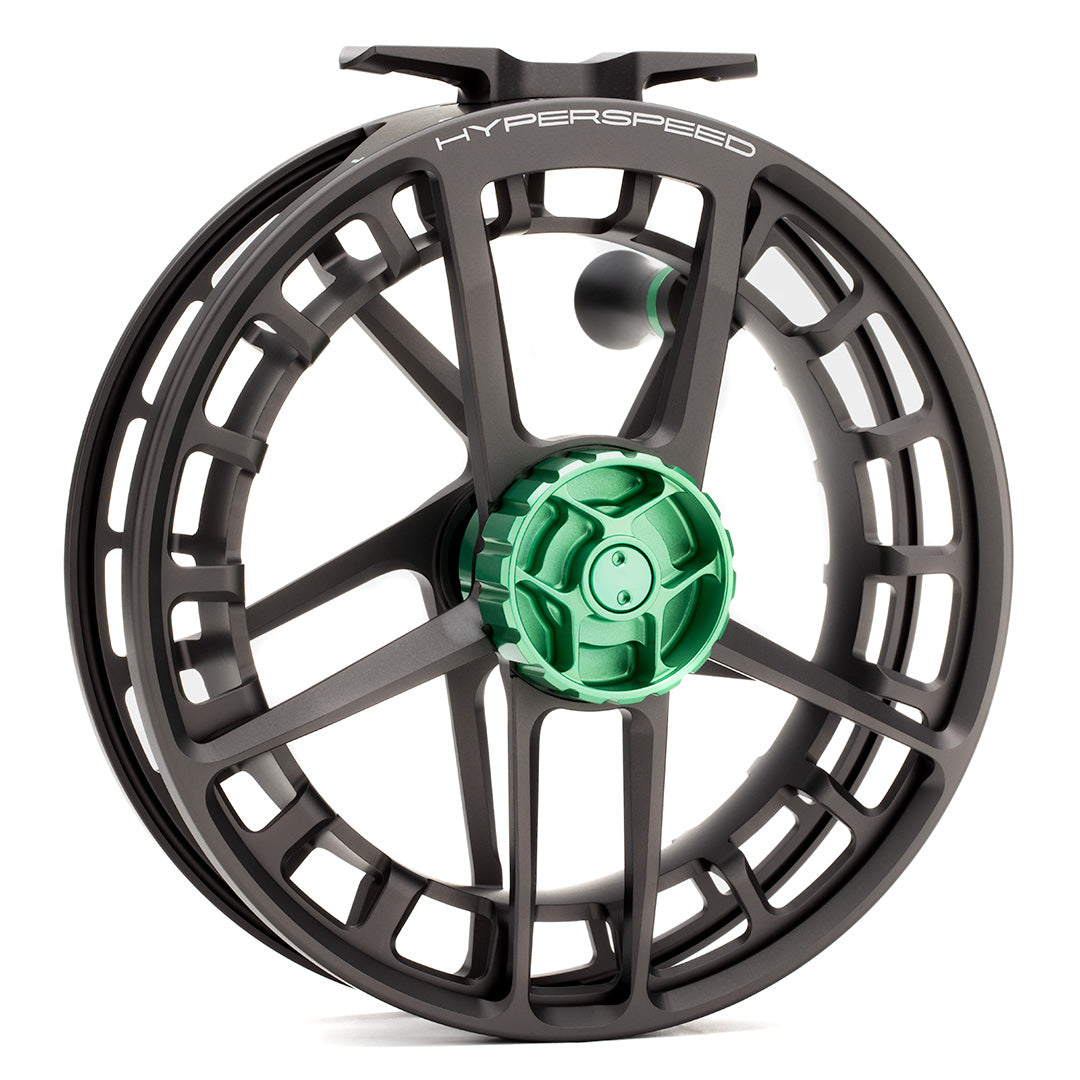
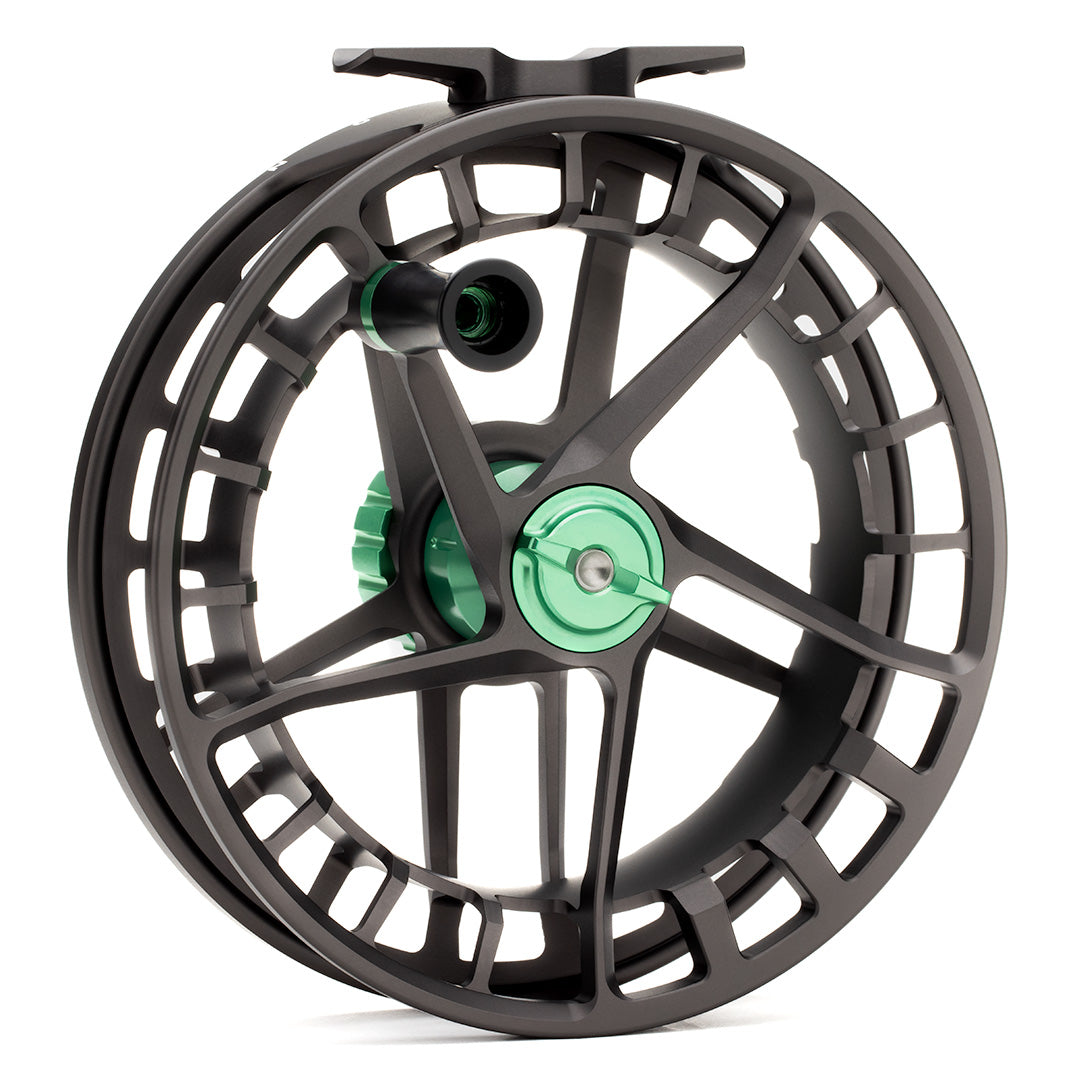
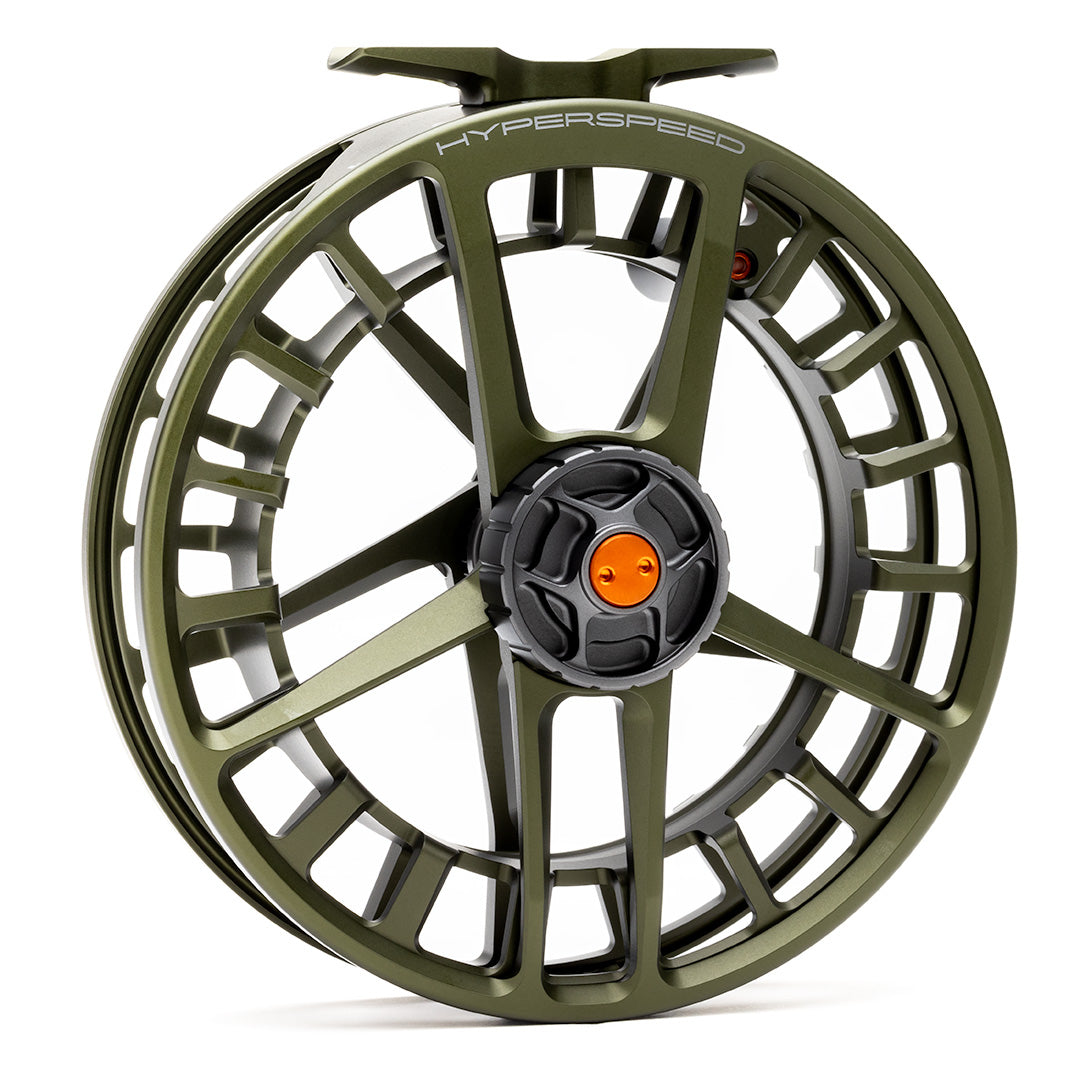
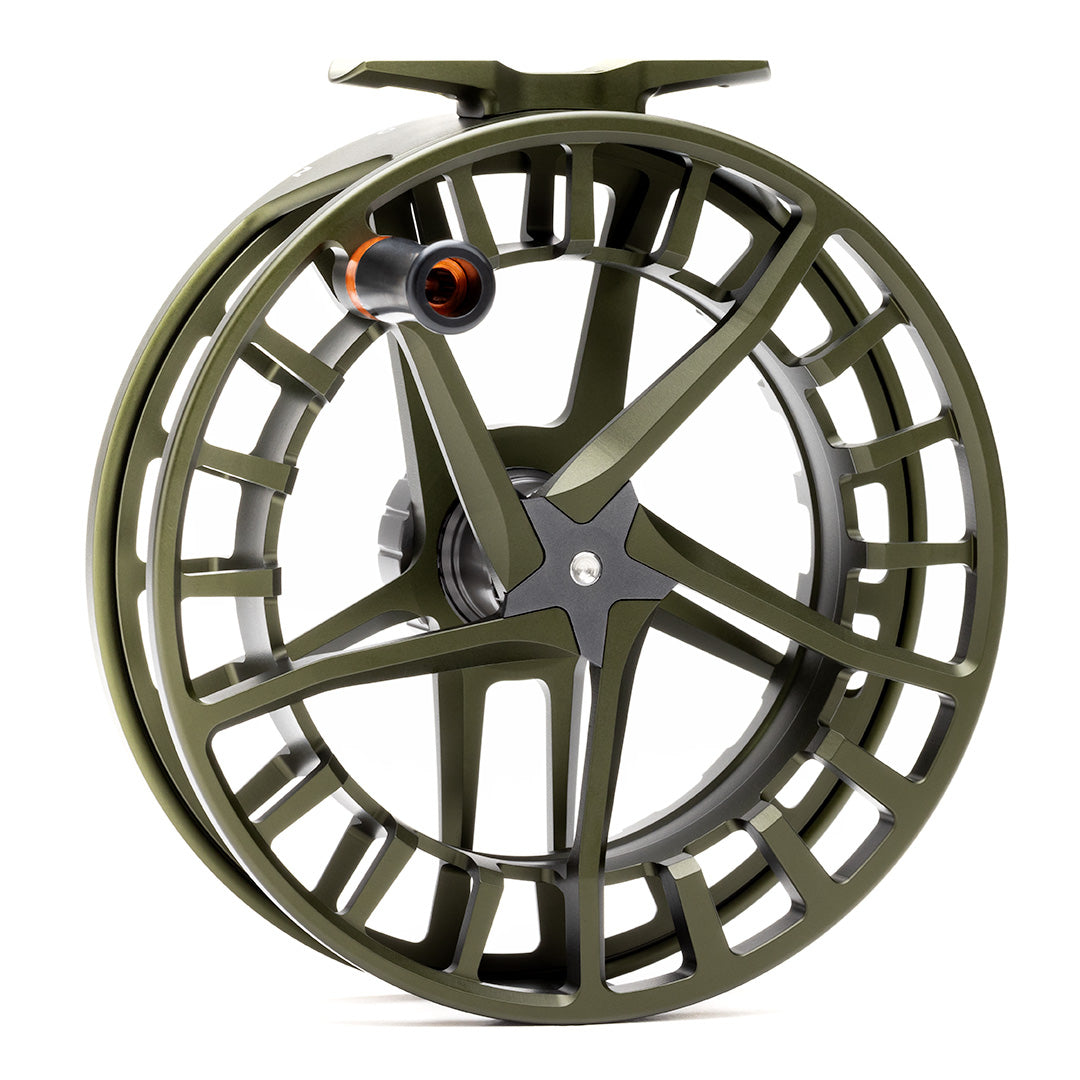
Large arbor reels are central to our design philosophy. In fact, the performance benchmark of a fly reel is retrieve rate per ounce—and larger arbors dramatically improve retrieve rate while we minimize added weight through design and machining.
A reel’s arbor size affects three key things:
1. Line Retrieval
Bigger arbor = faster pickup.
On hot fish that sprint and turn, rapid line recovery can be the difference between staying tight or losing the fish. Our Hyperspeed series pushes this concept further, our M10 retrieves 16 inches of line per turn.
2. Line Management
Fly lines (and leaders) develop memory. Tight coils from small arbors lead to tangles, snags, and frustration.
Example: Our Purist II -3+ is sized large for a 3‑weight intentionally—less coiling, and easier handling.
3. Drag Consistency
Small arbors shrink rapidly as line is pulled off, causing drag pressure to spike. Larger arbors maintain a more constant diameter, which keeps drag pressure more consistent throughout the fight.

We use two sizing systems to make choosing intuitive.
All‑Water Reels (-/+)
A -5+ is built for 4–6 weight lines.
If you’re pairing with a 6‑weight rod, here’s how to choose:
- Want the lighter setup? Choose the -5+.
- Want max arbor size + more backing? Choose the -7+.
- Want to use the same reel on a 5‑weight too? Go -5+.
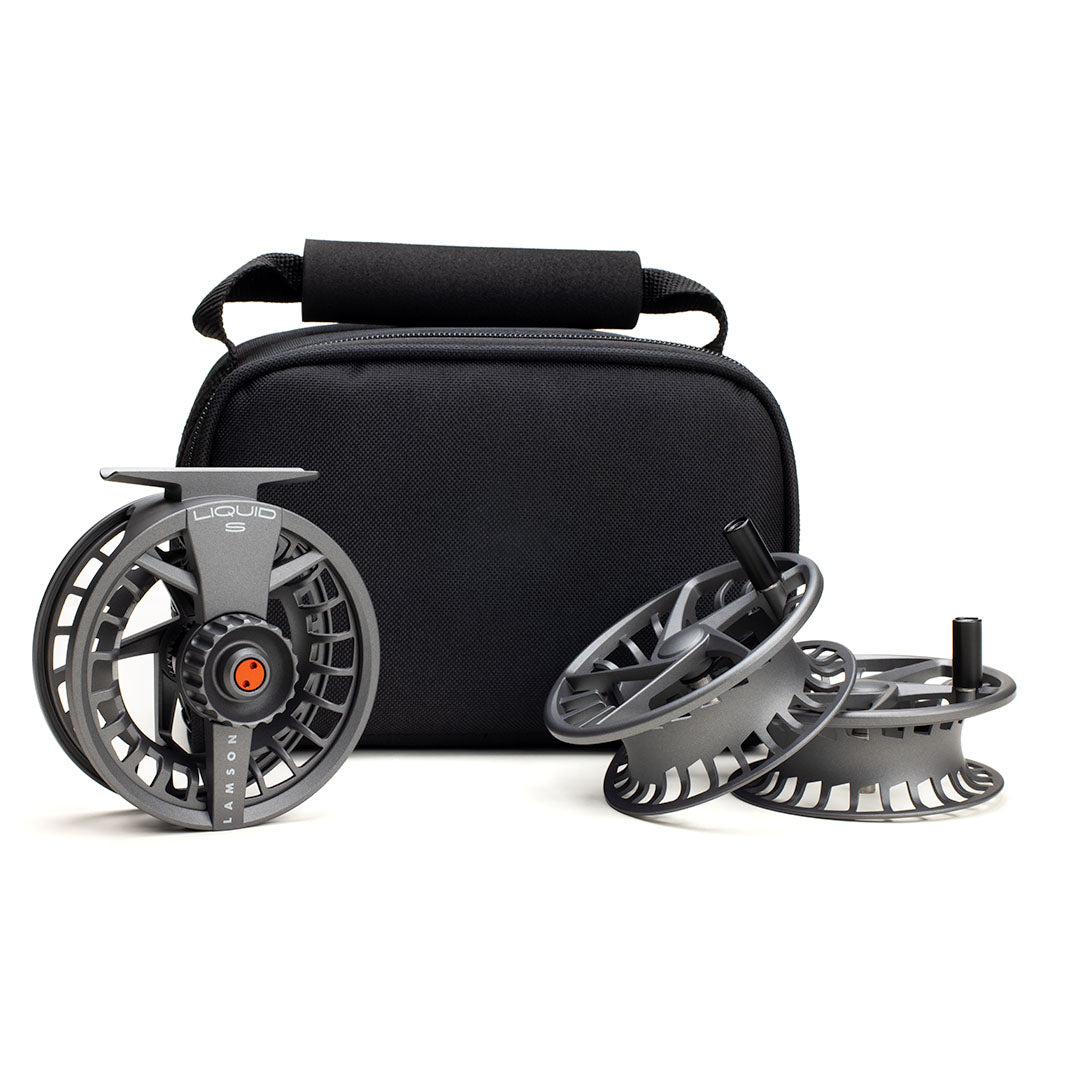
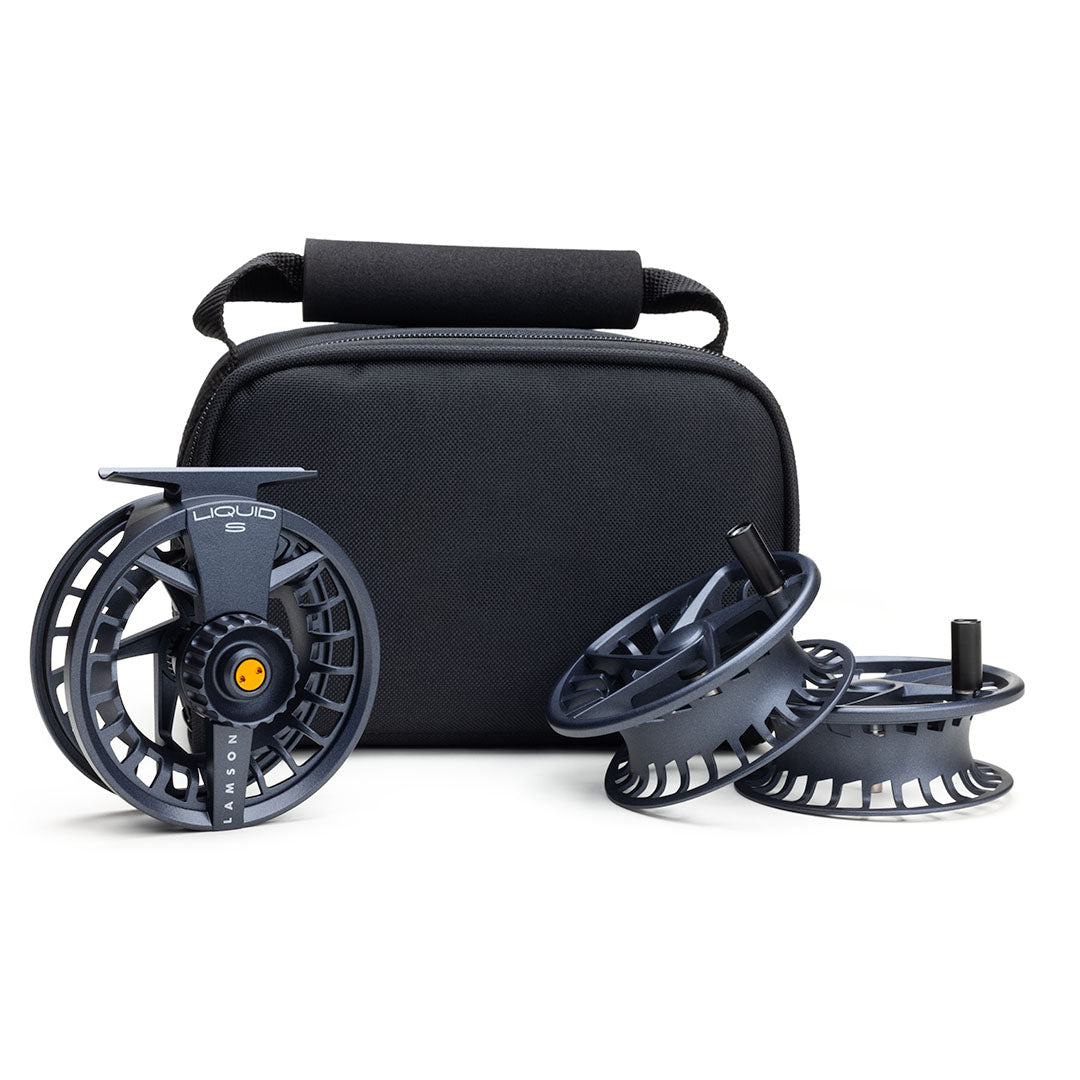
Thinking ahead to a future rod added to your quiver often helps guide the decision. You can grab an extra spool and get more out of that reel.
Saltwater Reels (M‑Series)
Saltwater reels are designated M8, M10, M12, etc.
- An M8 covers 7–8 weight applications.
- All Cobalt‑drag reels work for the labeled line weight and one size below.
Creative Sizing
Sometimes the “matched” size isn’t ideal. Euro nymphing is a great example: Your 2wt or 3wt rod might be 10' or 11'. At that length a -7+ might provide better balance and keep you from fighting to keep the rod balanced. Same goes for Spey fishing where rods can stretch to 15’.
Additionally it's usually better to have a larger reel than a smaller one. For example stuffing a 7wt line on a 5wt reel causes crowding and maybe balance.You may have to forgo backing or at least cut way down. On the other hand a 5wt on a 7wt will fit with plenty of room and that can be taken up by backing. Not ideal but if you in a pinch it will work.
Sizing By Species/Application
All Water
- -3+ = Smaller Trout/Pan Fish and general creek reel
- -5+ = Do it all Trout size. Great Do-It-All freshwater reel
- -7+ = Big Trout, Bass/Carp, light inshore saltwater use.
- -9+ = Saltwater ready and good size for steelhead and salmon.
- -11+ = Spey reel for two handed rods
Saltwater
- M6 = Inshore saltwater fishing for species like bonefish and stealthier presentations
- M8 = This is the Saltwater Do-It-All size. From flats to skiffs reels of this size are ready to handle Bonefish, Permit, Red Fish etc.
- M10 = Break out the big guns for hard fighting species like Tarpon
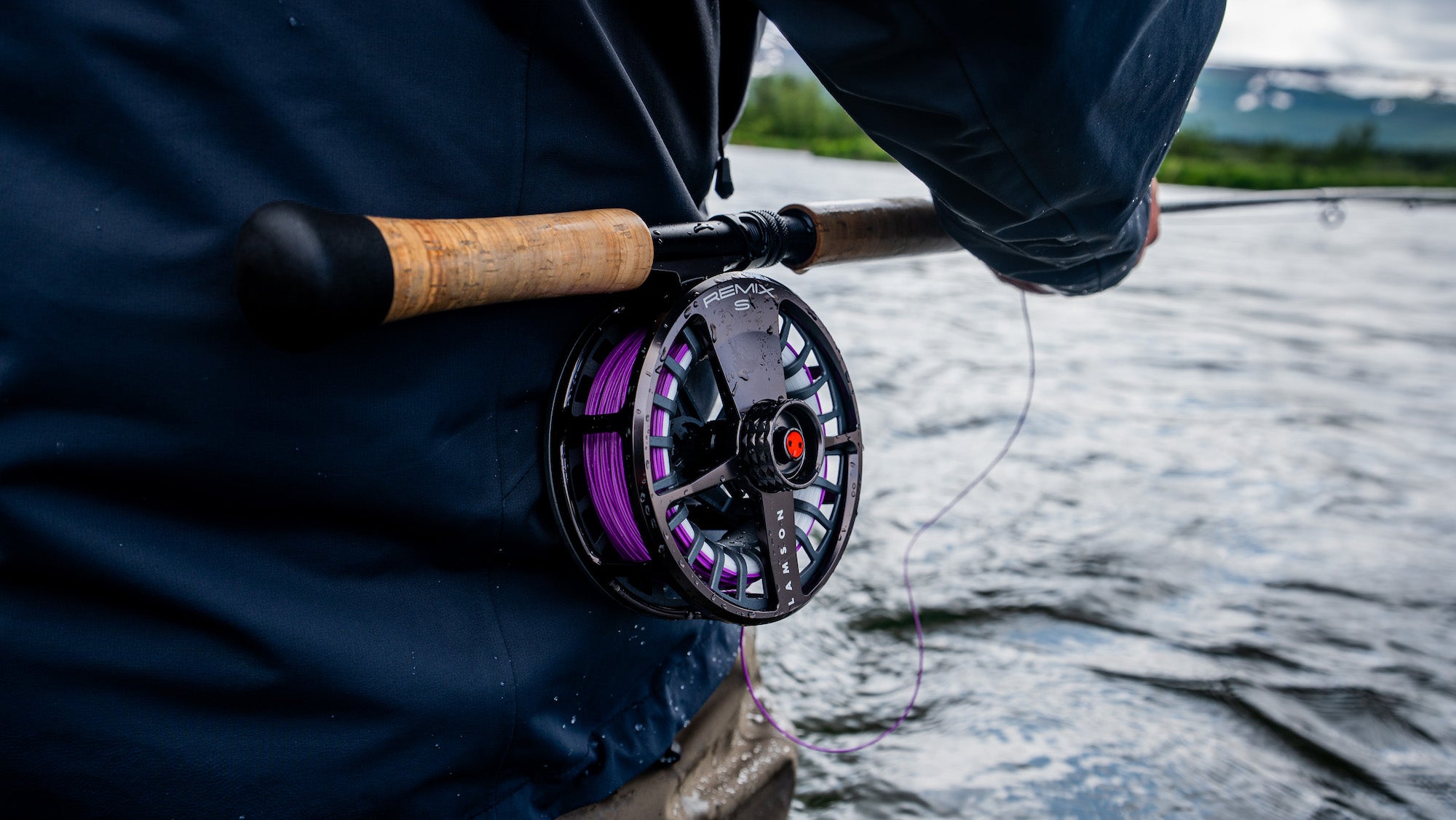
Yes… and no. Anglers debate this endlessly, but here’s a simple breakdown.
Lamson’s Approach to Weight
Our reels are intentionally lightweight through advanced machining and design. A light setup feels lively, responsive, and reduces fatigue—whether making endless streamer casts or stalking picky and casting all day.
Understanding Balance
Balance the rod on your finger at the position that you would grip. Does the tip dive? Does the reel feel heavy?
If it feels good in hand and casts the way you like, that’s what matters.
- For euro nymphing and spey applications, a heavier reel is actually better.
- For most trout fishing, lighter generally feels better.
Some tip dive can be detrimental and a “perfectly” balanced rod may help with mechanics but don't sweat the small stuff.
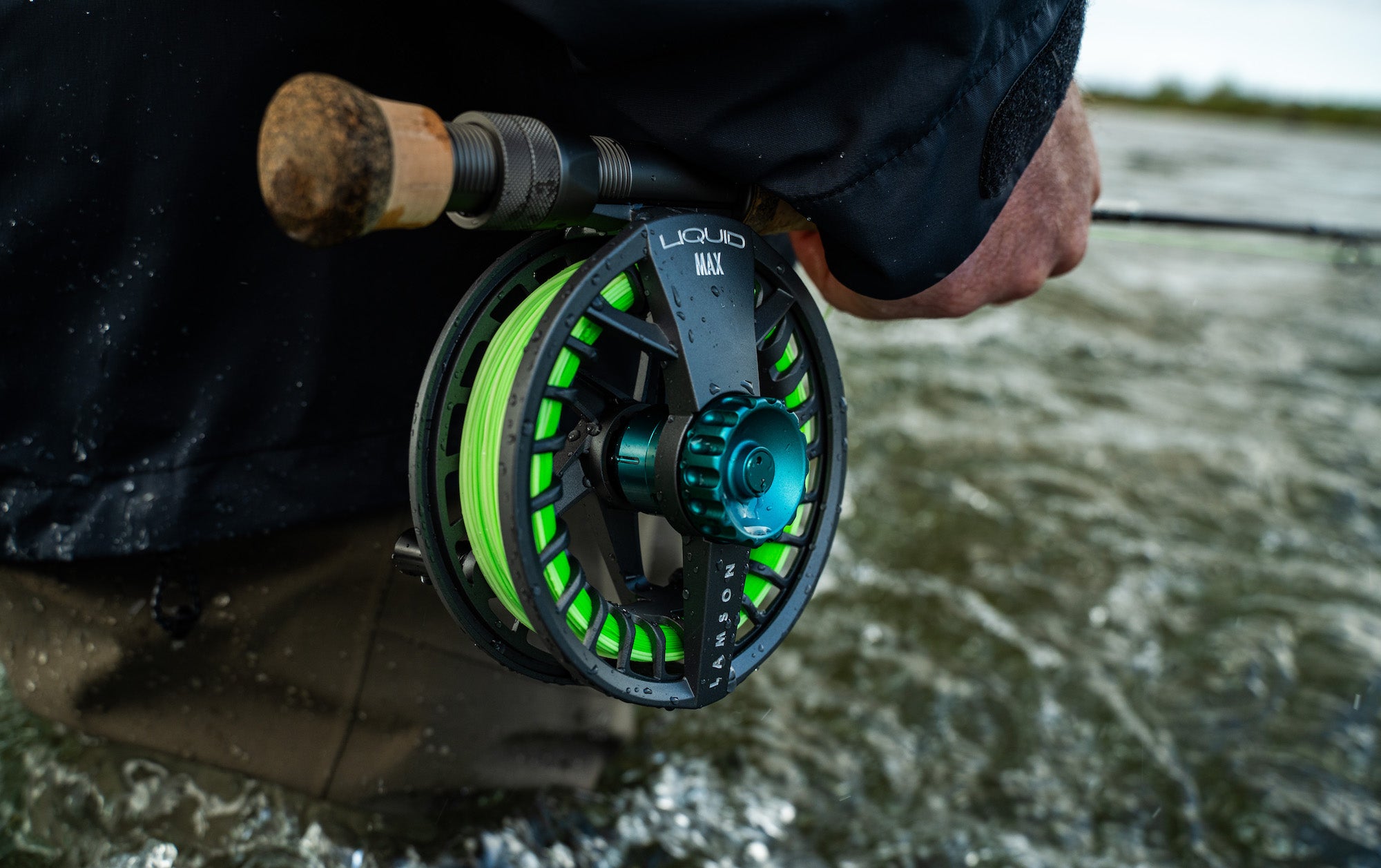
We label many of our freshwater models as All‑Water because they’re perfectly capable in salt environments and provide cross over appeal.
Where you’ll see real differences:
- Drag: Saltwater reels use the IPX8‑rated Cobalt Drag. Larger format internal components for a more stout drag.
- Arbor: Typically much larger for fast line pickup.
- Capacity: Built to hold more backing.
You can fish saltwater reels in freshwater for big trout, steelhead, salmon, or anytime line pickup and drag protection matter.
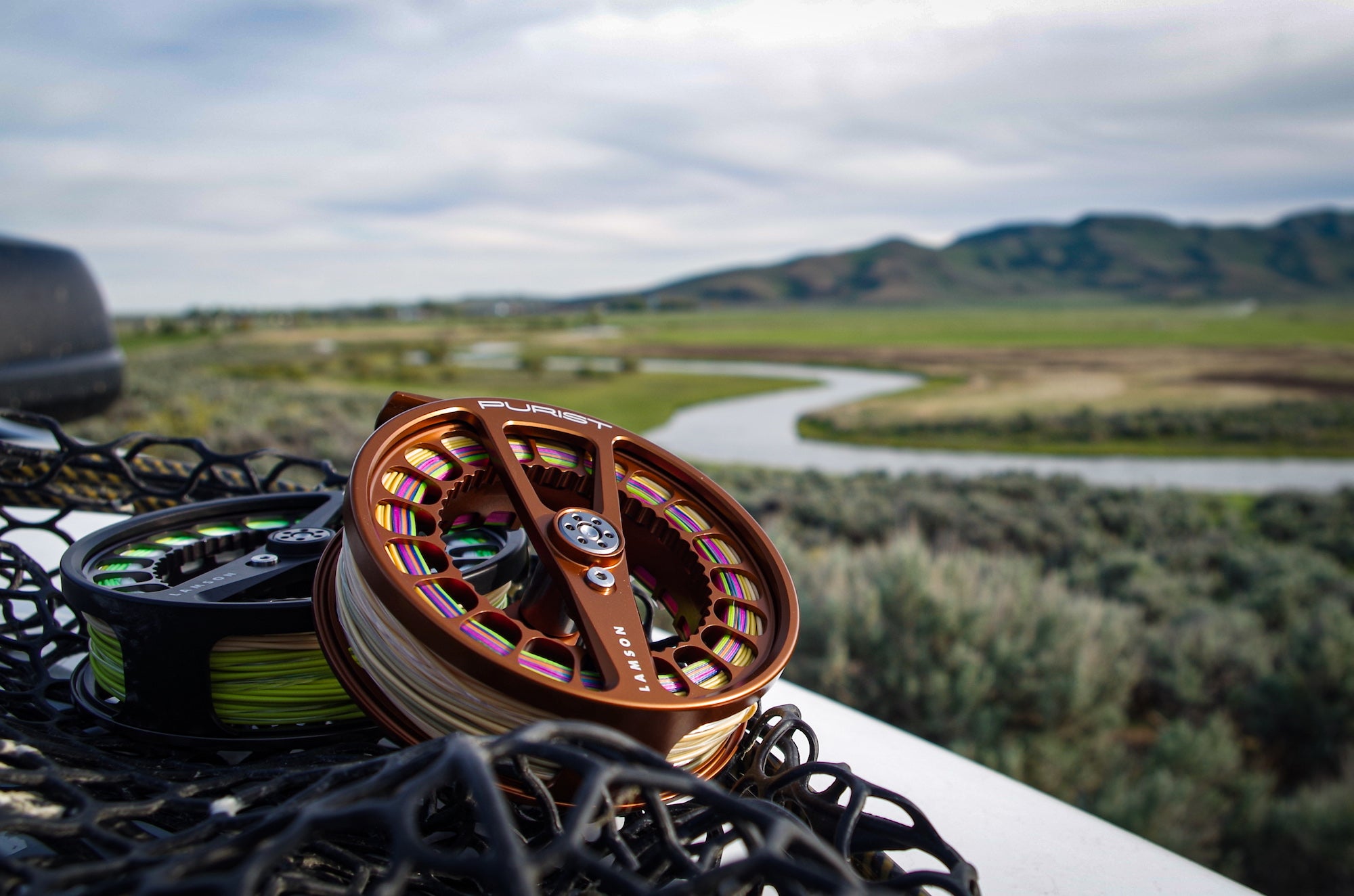
We work with Aluminum and use machining and casting techniques to create lightweight durable reels.
Key differences:
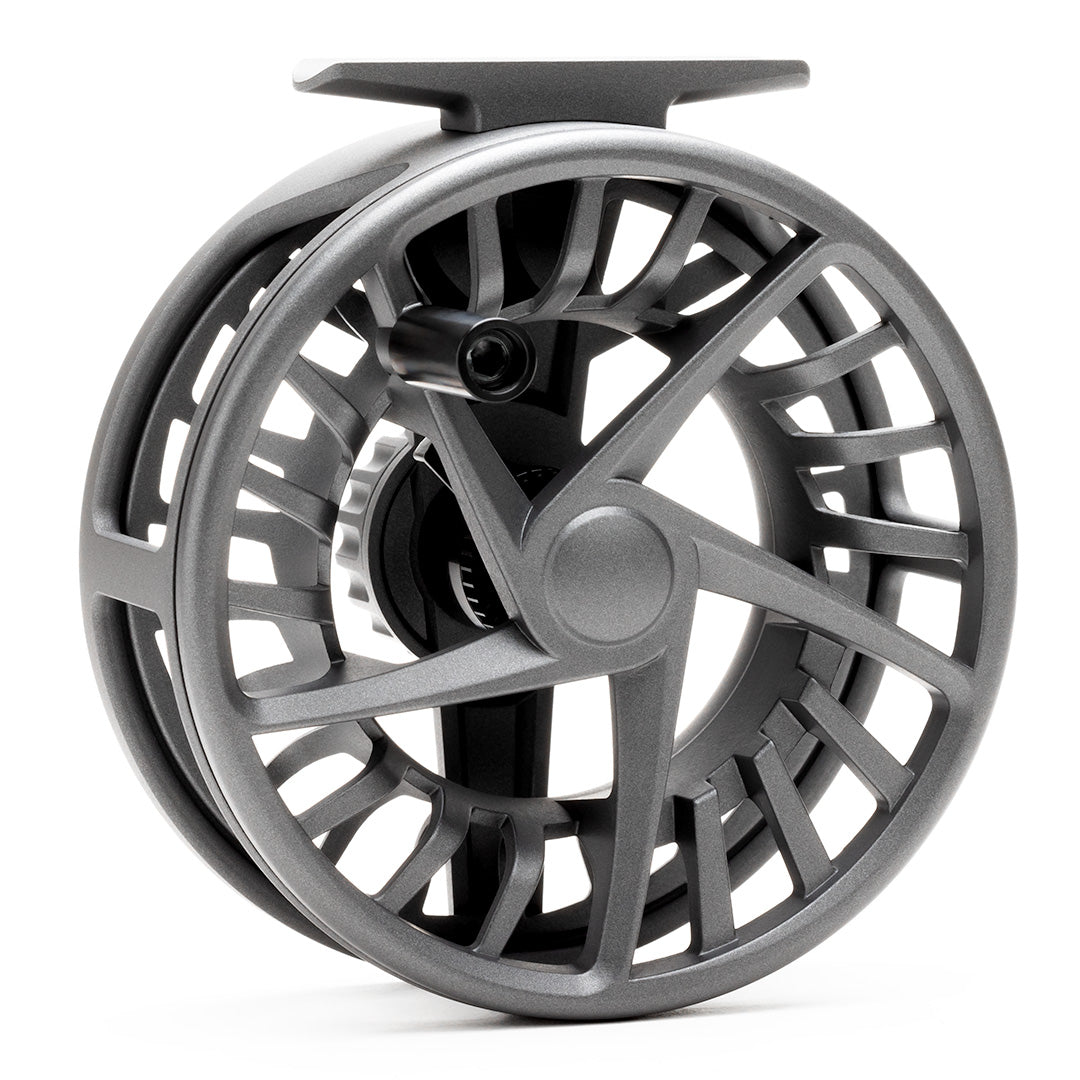
Cast: Pressure cast aluminum reel comes from a mold. After they are formed they are further machined to ensure tight tolerances and no sharp edges.
- Pros: Inexpensive material and process. We can also achieve shapes and designs that the machining processes can't achieve.
Machined: We start with 2 pucks of aluminum and they are machined to their final form.
- Pros: Lightweight and materially stronger. Machined reels are also anodized to achieve a brighter harder finish that will last longer.
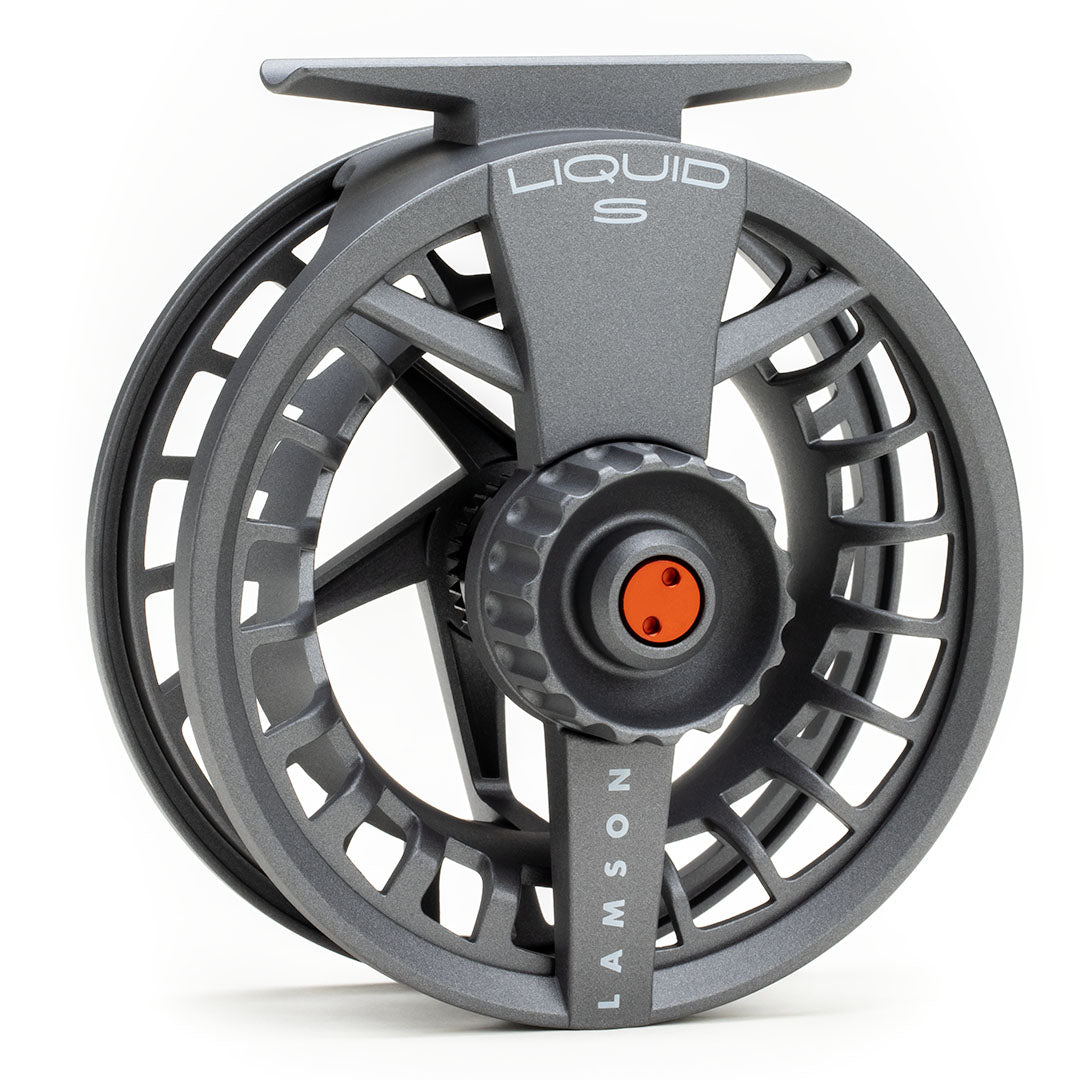
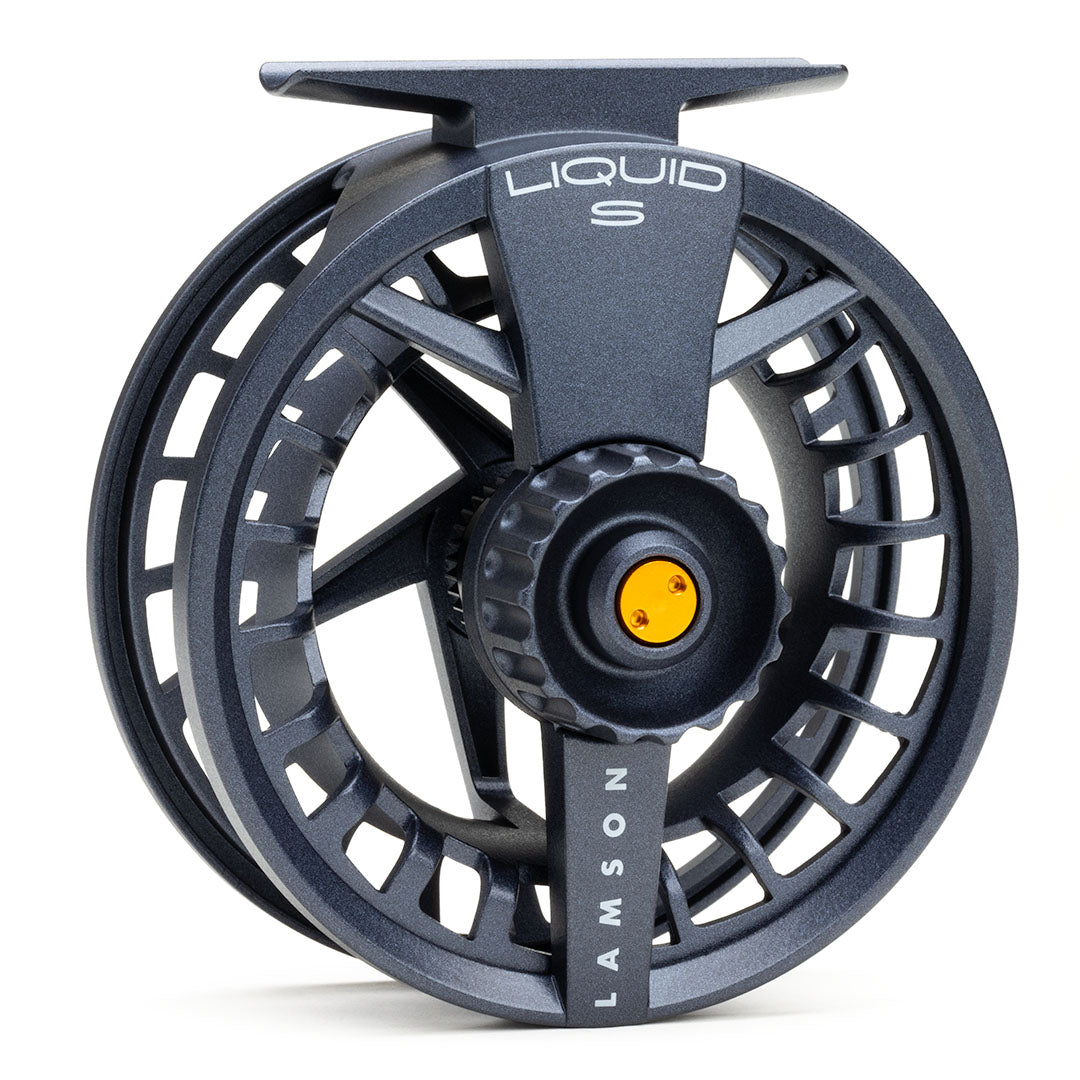
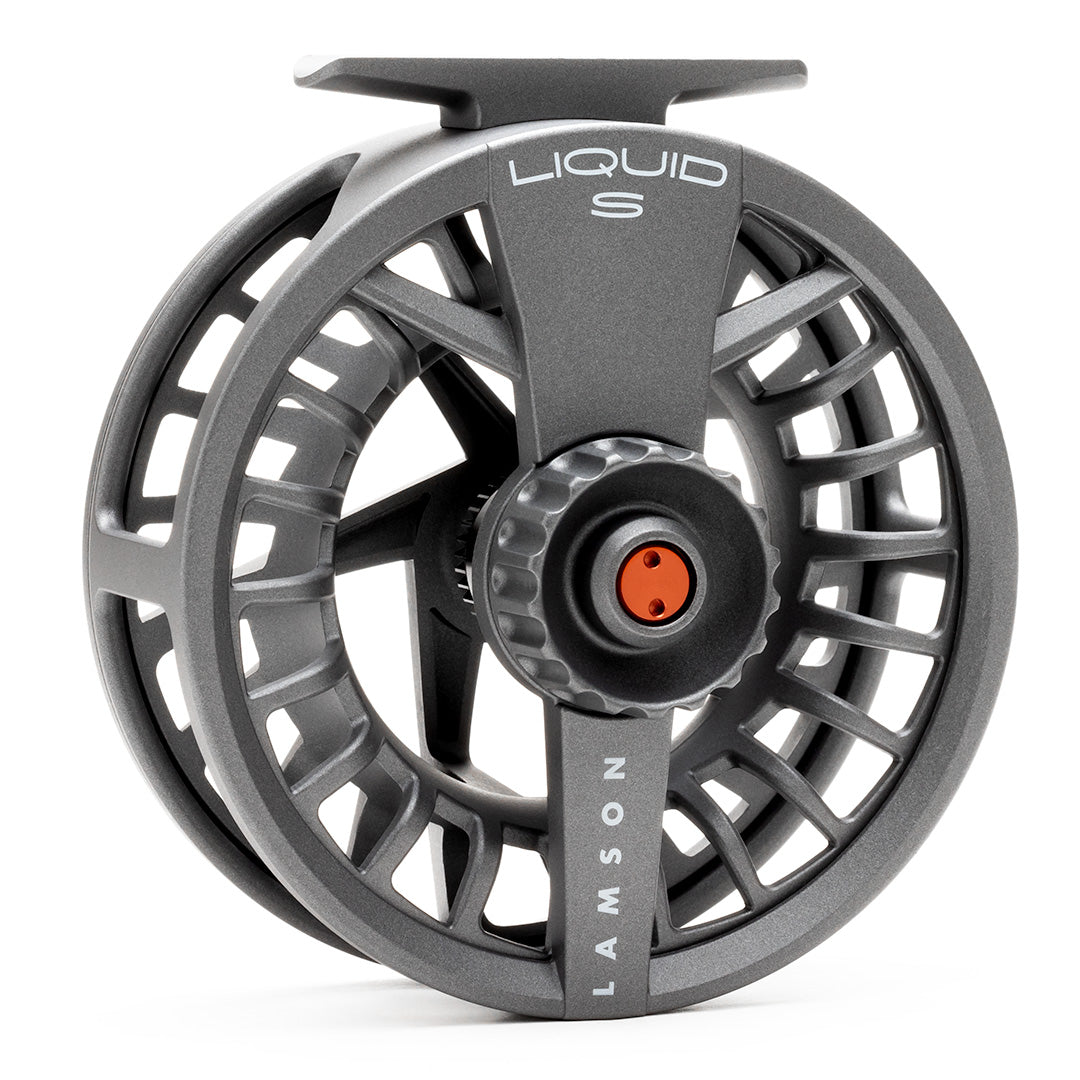
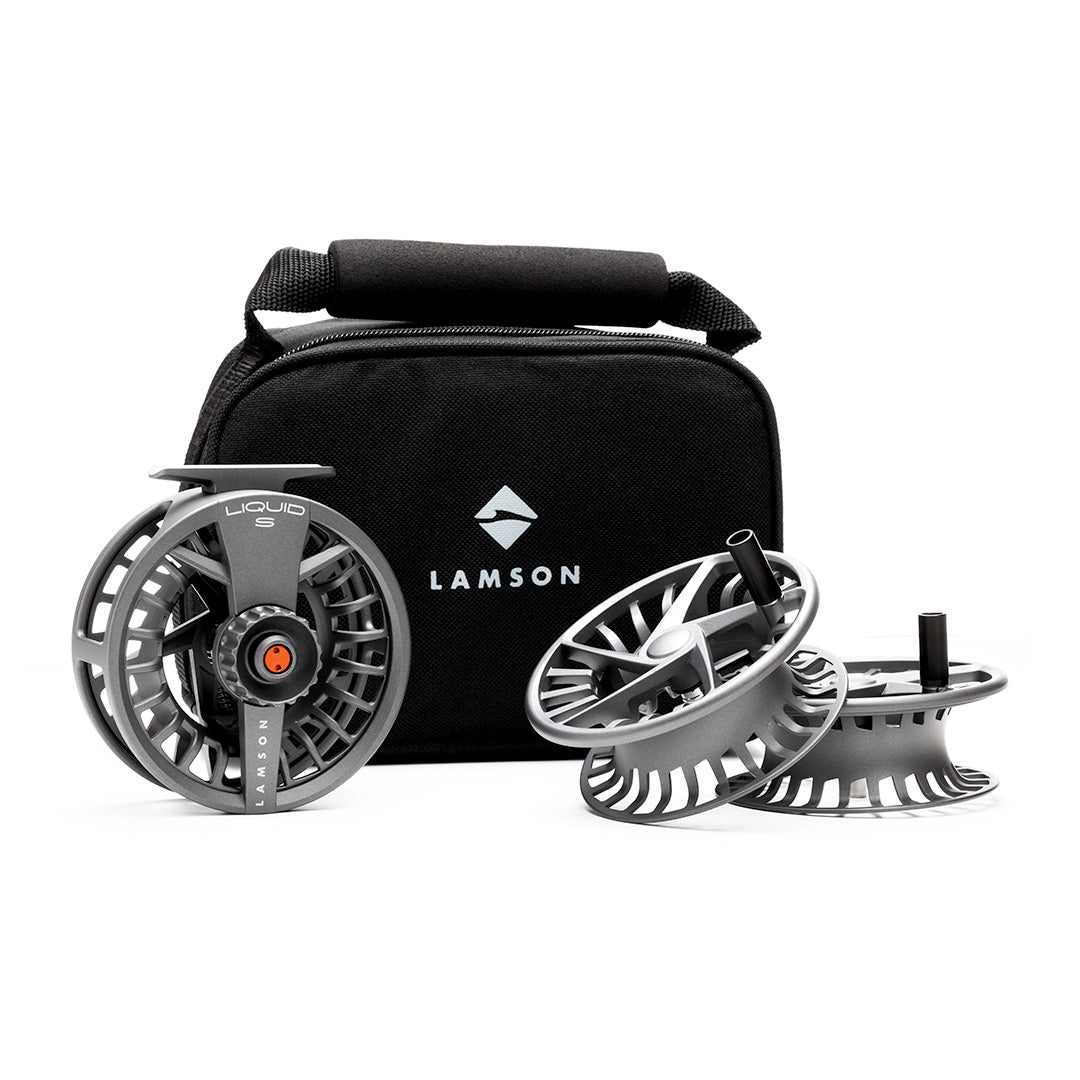
Make no mistake. Cast reels are not “junk” or fragile. Ask someone who is running a Liquid S or hanging onto their 15 year old, cast Konic reels and they will tell you. However in the case of big drops, hard slip and falls and airline travel machined reels have the edge.
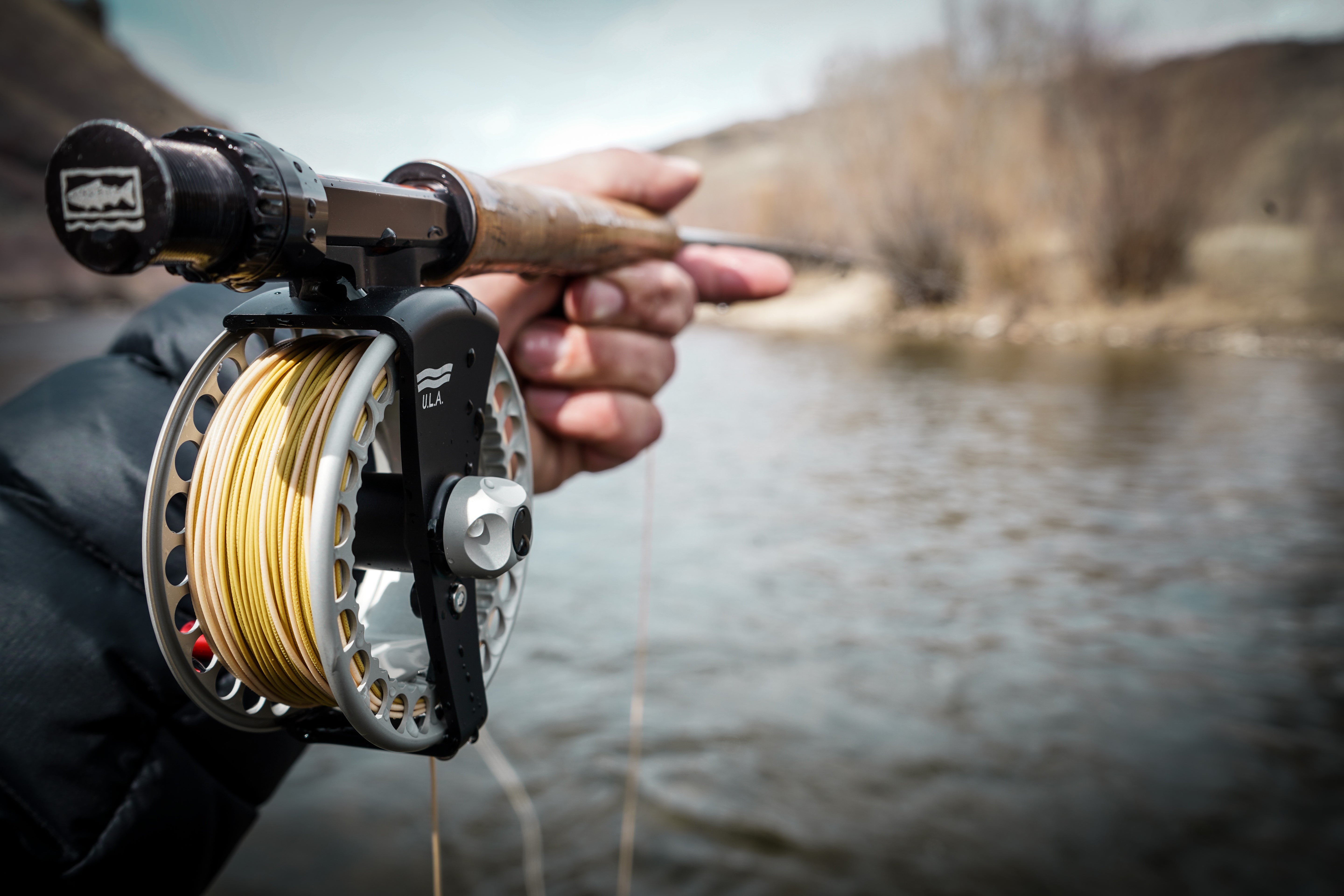
We won’t recommend specific brands here—your local shop is the best resource—but we can simplify the fundamentals.
Taper
There are endless tapers, but many are application‑specific.
- Fishing for Red fish? Search "Red Fish Fly Line" and you’re done.
- Do-All-Line? There are many general tapers that work really well.
Some things you may run into.
E.G. WF4F = Weight Forward/4wt/Float OR WF7S3 = Weight forward/7wt/Sink3 (3”per second)
- WF=Weight Forward
- Mass focused at the head of the line
- DT=Double taper
- Tapers at both the front and back of the line
- Level Line=Flat line/no taper, could be used for a running line or euro nymphing
- IPS=Inches per second (sinking).
Weight Selection
Match rod, reel, and line weight. Some lines are a full or half‑size heavy—that’s normal and intentional. You should still match the line weight to your rod weight. You can over line (weight) a rod but it's typically best to avoid underlining.
Floating vs. Sinking
- Floating: dries, indicators, and many trout applications.
- Sinking: streamers and getting your rig down to the strike zone.
There are plenty of exceptions. This is a good guide though.
Backing
Capacity matters, but don’t overthink it.
- On a 5‑weight or most fresh water reels you’ll rarely see backing (although we hope you do!).
- E.G. 90’ fly line + 150 yards of backing = 540’. If you have a fish that far out we've got bigger issues to worry about, like hoping to get your fly line back.
- Too much backing crowds the reel and can create pressure from your line rubbing on the reel creating unwanted and additional pressure on your leader. Using 80-100yrds on a reel that can take 150yrds might not be a bad thing.
- Backing also increases working arbor diameter, improving line management and drag performance.
- For bonefish, permit, or anything that really runs, all bets are off. Load up.
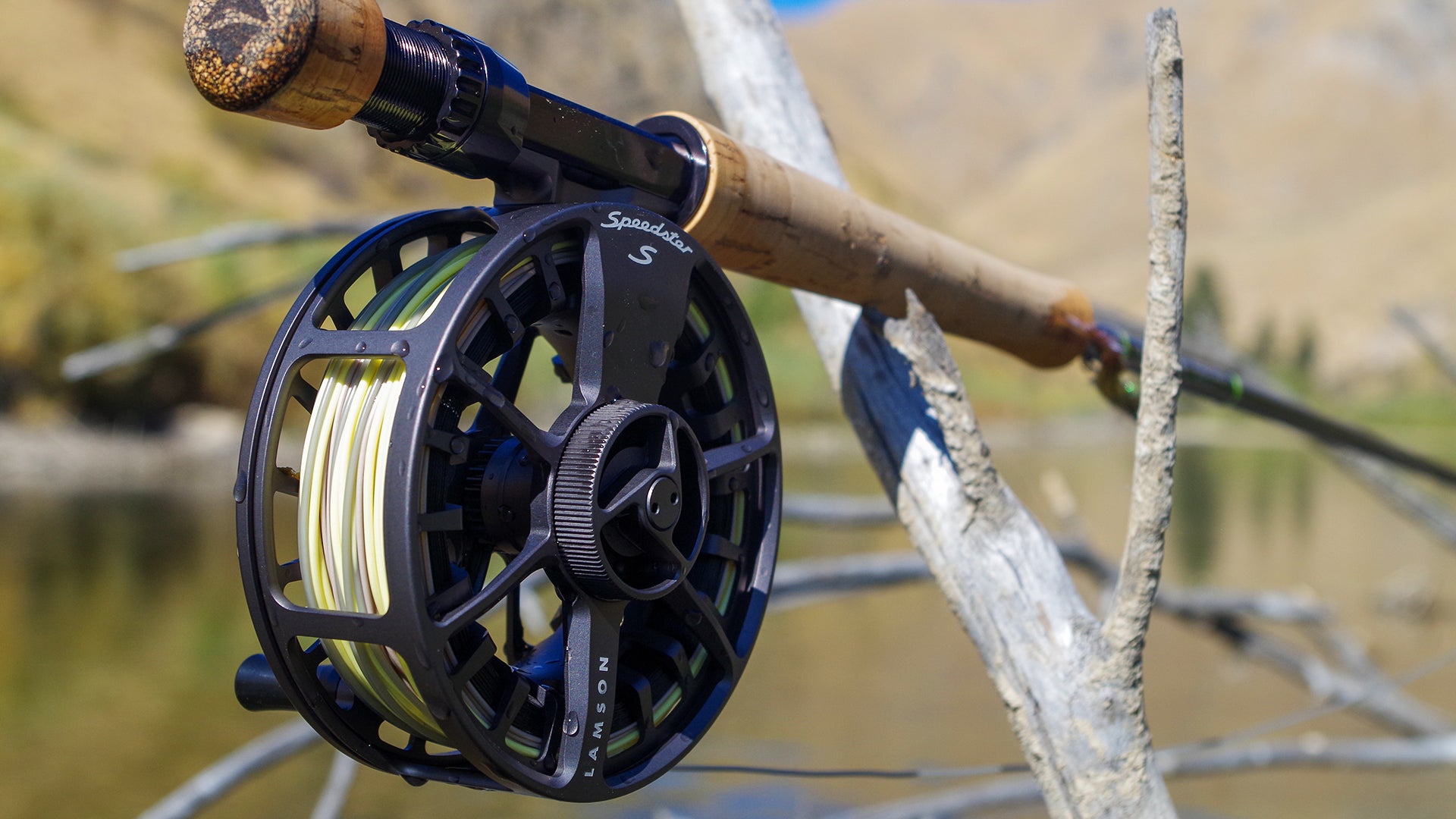
These reels feature an additional ring opposite the frame side to completely capture the fly line. A more in depth breakdown on our HD reels can be found here. (link to HD blog)
- HD = heavy duty. Added durability and protection.
- Full Frame reels completely capture thin running lines or mono rigs and ensure line cannot slip between the frame and spool.
- Heavier reels due to added material which can be a benefit when Spey casting or Euro Nymphing.
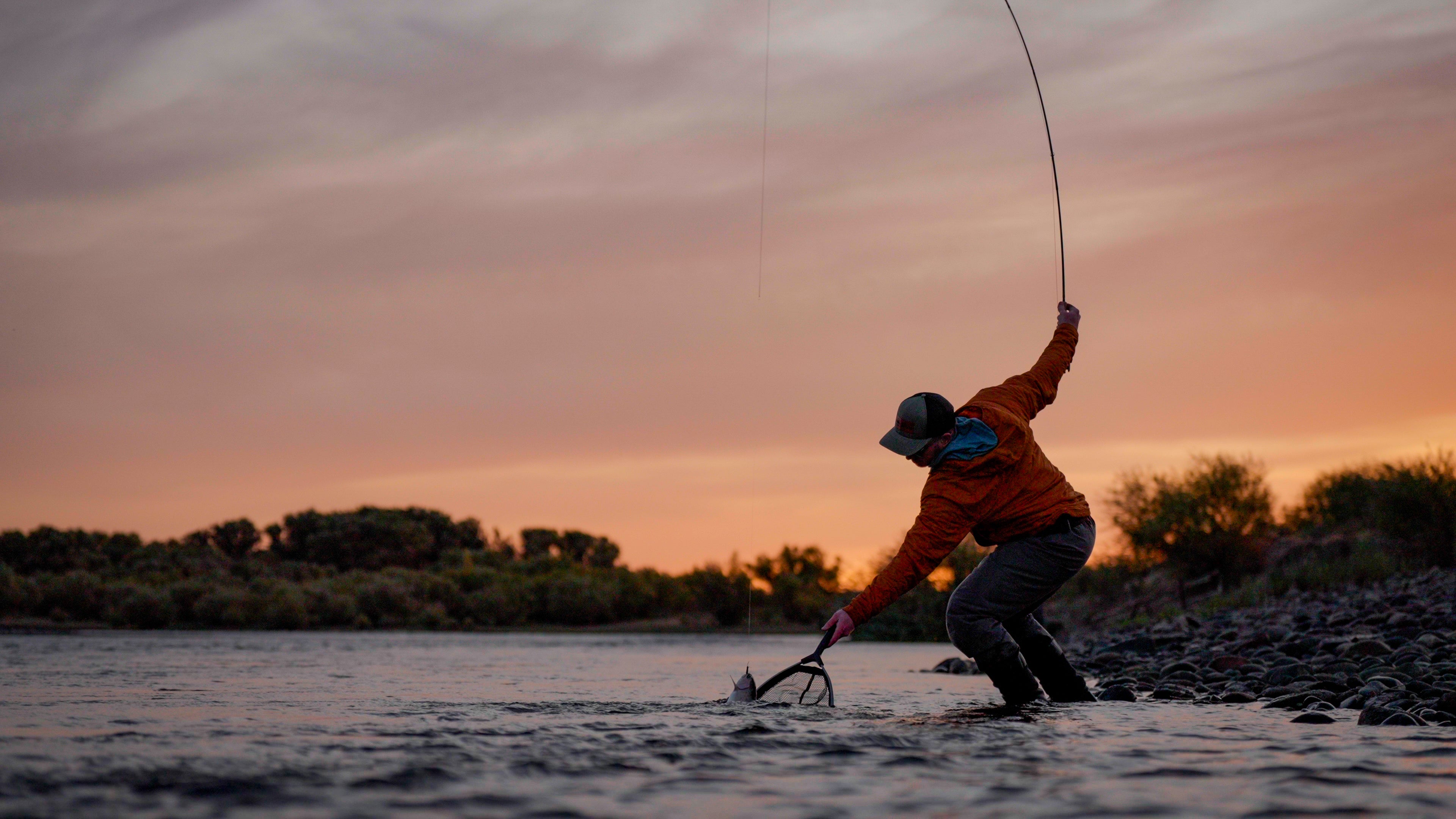
There’s rarely a single “correct” reel choice. It's usually more of a good/better/best scenario depending on the water you fish, target species, and rod and fly line sizing. Consider arbor size, drag style, balance, line capacity, and how you plan to fish the reel.
And don’t overlook your local fly shop. They’re an invaluable resource for hands‑on pairing, line advice, and destination‑specific recommendations.
If you have any questions, we’re here to help:
- Phone: 1‑208‑562‑1310
- Email: customersupport@lamsonflyfishing.com
Shop Reels